

When patients talk to me about eye strain, screens usually take the blame. Phones, computers, tablets, and TVs are often the first suspects. And while screen time absolutely plays a role, there’s another major factor that often gets overlooked: lighting.
The lighting in your home affects how hard your eyes work throughout the day. Poor lighting can lead to eye strain, headaches, blurry vision, fatigue, and even disrupted sleep. On the other hand, well-designed lighting can support visual comfort, reduce strain, and improve overall wellness.
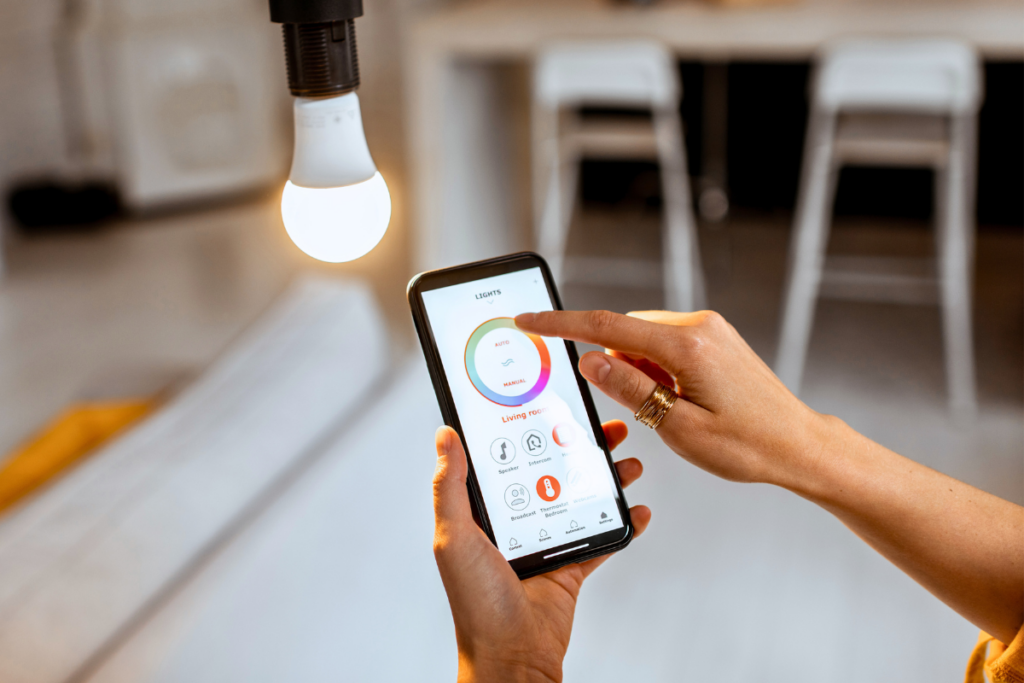
Smart home lighting has made it easier than ever to create an environment that works with your eyes instead of against them. Here’s how the right lighting setup can help reduce eye strain and support healthier vision.
What Is Eye Strain?
Eye strain, also known as digital eye strain or computer vision syndrome, isn’t a single condition. It’s a collection of symptoms caused by prolonged visual effort.
Common symptoms include:
- Tired or aching eyes
- Headaches
- Blurred or fluctuating vision
- Dry or irritated eyes
- Difficulty focusing
- Sensitivity to light
While screens are a major trigger, lighting plays a huge role in how intense these symptoms become.
RELATED CONTENT: Digital Eye Strain – Tips for the Modern Worker
Why Lighting Matters More Than You Think
Your eyes are constantly adjusting to changes in brightness and contrast. When lighting is too dim, too bright, or poorly balanced, your eyes have to work harder to maintain clear vision.
Problematic lighting situations include:
- Harsh overhead lighting
- Strong glare from light fixtures or windows
- Large differences between screen brightness and room lighting
- Cool, blue-toned lighting late at night
- Flickering or inconsistent light sources
Over time, these conditions increase visual stress and fatigue even if your prescription is correct.
Home Lighting for Optimal Eye Comfort
Smart lighting systems allow you to adjust brightness, color temperature, and timing automatically. This flexibility makes it easier to create lighting conditions that support visual comfort throughout the day.
1. Adjustable Brightness Reduces Visual Stress
One of the biggest advantages of smart lighting is the ability to fine-tune brightness levels.
Lighting that’s too dim forces your eyes to strain to see details. Lighting that’s too bright can cause glare and discomfort. Smart lighting allows you to:
- Increase brightness for reading or detailed tasks
- Lower brightness for relaxation or screen use
- Match lighting levels to natural daylight
Balanced brightness reduces the constant effort your eyes make to adapt. Ultimately, this reduces eye strain at home.
2. Color Temperature Supports Comfort
Color temperature refers to how “warm” or “cool” a light appears.
- Cool light (higher color temperature) is brighter and more energizing
- Warm light (lower color temperature) is softer and more relaxing
Smart lighting allows you to shift color temperature throughout the day:
- Cooler light during the morning and work hours to support focus
- Warmer light in the evening to reduce eye strain and promote relaxation
This mimics natural daylight patterns and helps reduce eye strain from lighting.
Lighting & Screen Use
Screens are unavoidable for most people, but lighting can make screen use much easier on your eyes.
Ideally, here’s how you should adjust lighting when using digital devices:
- Room lighting should be slightly brighter than the screen
- Light sources should not reflect directly off the screen
- Ambient lighting should reduce harsh contrast
Smart lighting makes this easier by letting you create preset scenes for:
- Working from home
- Evening screen time
- Reading
- Watching TV
Reducing contrast between your screen and surrounding environment significantly lowers eye strain.
Reducing Glare & Harsh Light
Glare is one of the most common and overlooked causes of eye discomfort.
Sources of glare include:
- Bare bulbs
- Overhead lights without diffusers
- Bright lights positioned behind screens
- Sunlight reflecting off walls or monitors
Smart lighting allows you to:
- Use multiple softer light sources instead of one harsh overhead light
- Position lights strategically to reduce reflections
- Adjust intensity based on time of day
This creates a more visually comfortable environment, especially for prolonged tasks.
Supporting Your Natural Sleep-Wake Cycle
Lighting doesn’t just affect your eyes — it affects your brain.
Exposure to bright, blue-toned light in the evening suppresses melatonin, the hormone that helps regulate sleep. Poor sleep, in turn, worsens eye strain, dryness, and fatigue the next day.
Smart lighting systems can automatically:
- Dim lights in the evening
- Shift to warmer tones after sunset
- Brighten gradually in the morning
This supports healthier sleep patterns, which indirectly improves eye comfort and overall wellness.
Who Benefits Most From Better Lighting?
While everyone can benefit, smart lighting is especially helpful for:
- People who work long hours on computer screens
- Remote or hybrid workers
- Students
- Individuals with dry eye
- People over 40 who notice increased visual fatigue
- Those prone to headaches or migraines
If you already experience eye strain, improving lighting is one of the simplest and most effective changes you can make.
Smart Lighting Is Not a Substitute for Eye Care
While lighting can significantly reduce visual stress, it doesn’t replace routine eye care.
Eye strain can also be caused by other conditions:
- Uncorrected vision problems
- Focusing or eye teaming issues
- Dry eye disease
- Early presbyopia
If you’re experiencing persistent eye strain, headaches, or blurred vision, a comprehensive eye exam is essential. Sometimes a small prescription adjustment or targeted treatment can make a dramatic difference.
Think of smart lighting as a supportive tool, not a cure-all.
Simple Tips to Get Started
You don’t need a fully automated home to benefit from better lighting.
Start with:
- Adjustable bulbs in areas where you read or use screens
- Warmer lighting in bedrooms and living spaces at night
- Softer, indirect lighting instead of harsh overhead fixtures
- Consistent lighting levels throughout a room
Small changes can lead to noticeable improvements in comfort.
Final Thoughts: Lighting & Eye Strain
Eye strain isn’t just a screen problem. It’s a lifestyle problem, and lighting is a big part of the equation.
Smart home lighting gives you control over brightness, color, and timing in a way that supports your eyes rather than challenges them. When combined with proper eye care, it can reduce daily discomfort, improve focus, and support long-term visual wellness.