
Have you ever found yourself squinting at oncoming headlights and wondering, Have headlights gotten brighter, or is it just me?
You’re not imagining things. Many drivers notice that driving at night becomes more difficult over time. While modern LED headlights can certainly seem brighter than older halogen lights, your eyes may also be playing a role.
If oncoming headlights seem blinding, create excessive glare, or make it difficult to see the road, several factors could be contributing. Some are simple fixes, while others may signal an eye condition that should be evaluated.
Let’s look at the 7 most common reasons headlights seem so bright at night.
1. Astigmatism
One of the most common causes of nighttime glare is astigmatism.
Astigmatism occurs when the front surface of the eye (the cornea) or the lens inside the eye isn’t perfectly round. Instead of focusing light to a single point, the eye spreads light out, causing distortion.
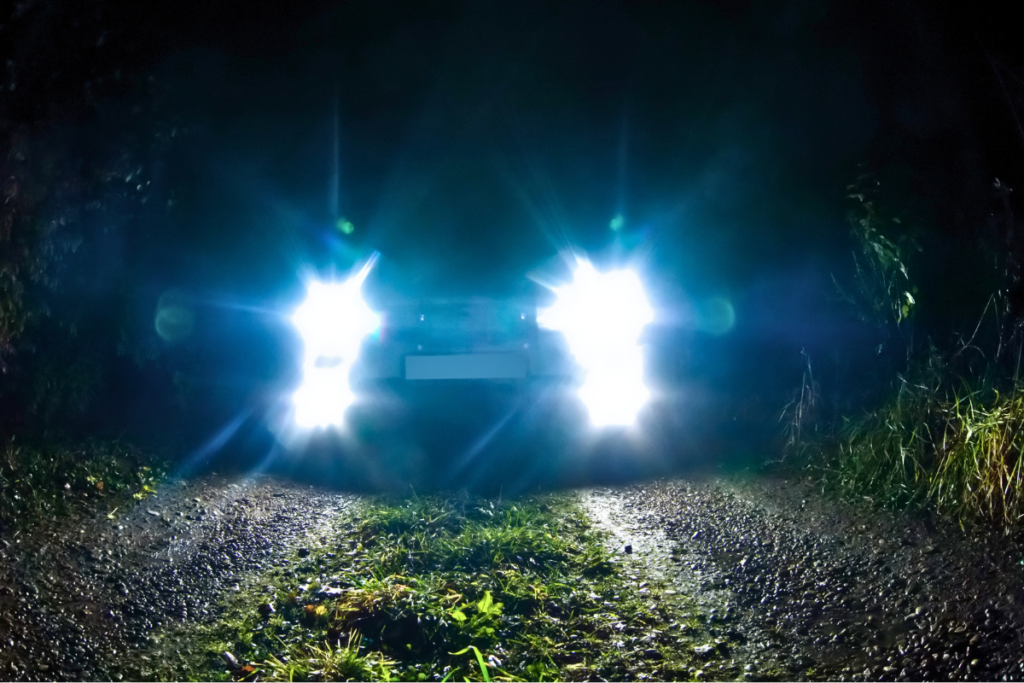
Rather than seeing a crisp headlight, you may notice:
- Starbursts
- Streaks extending from lights
- Glare
- Halos around headlights
Many people don’t realize they have astigmatism until they begin having trouble driving at night.
If headlights look like they’re exploding into rays of light, astigmatism is often the culprit.
2. Dry Eye
Dry eye doesn’t just make your eyes feel gritty or watery. A healthy tear film creates a smooth optical surface across the front of the eye. When your tears evaporate too quickly or don’t adequately coat the eye, light scatters before it enters the eye, making glare much worse.
You may notice:
- Vision that clears after blinking
- Fluctuating blurry vision
- Increased glare late in the day
- Burning or irritation
Many patients are surprised to learn that treating dry eye can noticeably improve nighttime driving comfort.
RELATED CONTENT: Innovative Dry Eye Treatments That Aren’t Eye Drops
3. Cataracts
As we age, the natural lens inside the eye gradually becomes less clear. Instead of allowing light to pass cleanly through the lens, cataracts scatter light in multiple directions. This creates:
- Glare
- Halos
- Reduced contrast
- Difficulty driving after dark
Many patients first notice cataracts because they become uncomfortable driving at night, even before they notice blurry vision during the day.
If nighttime glare from headlights has gradually worsened over the last few years, cataracts may be contributing.
4. An Outdated Glasses Prescription
Vision changes slowly. Many people don’t realize their prescription has changed because their daytime vision still seems “good enough.” That glare while driving at night is often where those small prescription changes become obvious.
An updated prescription may reduce:
- Glare
- Eye strain
- Blurriness
- Fatigue while driving
Even a relatively small prescription change can make a noticeable difference after dark.
5. Missing or Worn Anti-Reflective Coating
If you wear glasses, the lenses themselves can contribute to glare.
High-quality anti-reflective (AR) coatings reduce reflections bouncing off the front and back surfaces of your lenses. This allows more light to pass through the lens and less distracting glare to reach your eyes.
If your glasses are several years old or the coating is scratched or peeling, replacing the lenses may improve nighttime vision.
RELATED CONTENT: Choosing the Right Lenses for Your Glasses
6. Dirty Windshields or Glasses
Sometimes the solution is surprisingly simple. Dust, fingerprints, haze, bug residue, and tiny scratches can scatter light dramatically, increasing headlight glare.
Before assuming something is wrong with your eyes, make sure to:
- Clean both sides of your glasses.
- Clean the inside and outside of your windshield.
- Replace worn windshield wipers.
- Avoid wiping dry lenses with your shirt, which can create fine scratches over time.
It’s amazing how much clearer nighttime driving can feel after a thorough cleaning.
7. Your Pupils Get Bigger at Night
Even healthy eyes see differently in the dark.
As light levels decrease, your pupils naturally enlarge to let in more light. While this helps you see in dim conditions, it also allows more optical imperfections to affect your vision.
If you have even a small amount of astigmatism, dry eye, or early cataracts, those issues often become much more noticeable once your pupils dilate.
That’s one reason many people say: “I see just fine during the day, but driving at night is getting harder.”
Are LED Headlights Actually Brighter?
Yes…and no.
Modern LED headlights are often brighter and produce a cooler, whiter light than older halogen bulbs. Many drivers notice they feel more intense.
However, if everyone else seems to tolerate the same headlights while you find them increasingly blinding, it’s worth considering whether your eyes are contributing to the problem.
An eye exam can help determine whether the issue is simply today’s brighter headlights or an underlying vision problem that’s making headlight glare worse.
When Should You Be Concerned?
Occasional night driving glare is normal, especially in rain or on wet roads. However, you should schedule an eye exam if you notice:
- Night driving becoming progressively more difficult
- New halos or starbursts around lights
- Blurry vision that doesn’t improve with blinking
- Increased sensitivity to bright lights
- You avoid driving at night because you don’t feel safe
These symptoms are often treatable, and identifying the cause can make driving much more comfortable.
How an Eye Exam Can Help
During a comprehensive eye exam, we’ll evaluate much more than your glasses prescription. We also check for:
- Astigmatism
- Dry eye disease
- Cataracts
- Changes in your prescription
- Other eye conditions that can affect nighttime vision
Sometimes the solution is as simple as updating your glasses. Other times, treating dry eye or identifying early cataracts can significantly reduce glare.
FAQ: Headlight Glare
What Does Headlight Glare Look Like?
People describe nighttime glare in different ways, including:
- Headlights with long streaks or rays
- Starbursts around lights
- Halos or glowing rings
- Bright lights that seem to “explode”
- A hazy glow that makes it difficult to see the road
Do “Night Driving Glasses” Help?
You may have seen yellow-tinted “night driving glasses” advertised online. While some people find the tint more comfortable, there is very little evidence that they improve nighttime vision or reduce glare. In fact, because they reduce the amount of light reaching your eyes, they may actually make it harder to see in dark conditions.
What Can I Do to Reduce Headlight Glare at Night?
Depending on the cause, these simple steps may help reduce headlight glare while driving:
- Keep your windshield clean (inside and out).
- Clean your glasses regularly.
- Replace worn windshield wipers.
- Ask your eye doctor about anti-reflective coatings for your lenses.
- Keep your glasses prescription up to date.
- Treat dry eye if your vision improves after blinking.
Final Takeaway
If headlights seem unusually bright at night, don’t assume you simply have to live with it.
While modern headlights may contribute to nighttime glare, the way your eyes focus and process light often plays an even bigger role. Astigmatism, dry eye, cataracts, and outdated glasses prescriptions are all common causes of glare—and many are highly treatable.
If night driving has become stressful or uncomfortable, schedule a comprehensive eye exam. We can help identify what’s causing the glare and recommend the best way to improve your vision so you can drive with greater confidence.