

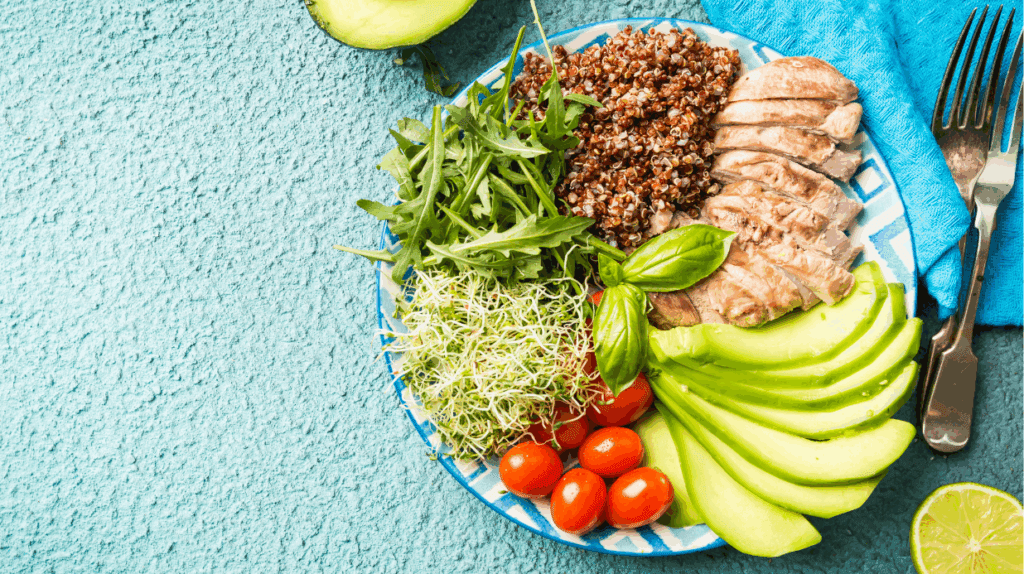
When people think about protecting their eyes, they often imagine sunglasses, eye exams, or screen breaks. But what you put on your plate plays just as big a role in supporting your vision.
The eyes are complex organs that rely on a steady supply of nutrients to function properly. Certain foods can help prevent or slow the progression of common eye conditions like age-related macular degeneration (AMD), cataracts, and dry eye.
And while we’ve all heard that carrots are good for your eyes, they aren’t the only food that can benefit your peepers. From leafy greens to salmon, your diet can play a powerful role in keeping your vision sharp. Let’s explore the best foods for eye health and the key vitamins, minerals, and antioxidants they provide.
Why Nutrition Matters for Your Eyes
Your eyes require oxygen, antioxidants, and nutrients just like the rest of your body. The retina, which processes light, is especially vulnerable to oxidative stress (damage caused by free radicals). Over time, this stress can contribute to eye disease. A nutrient-rich diet helps reduce that damage, supports blood vessels in the eyes, and maintains the clarity of the lens.
Research shows that certain supplements (known as the AREDS2 formula) may lower the risk of advanced AMD. While supplements can help you maintain clear vision, it’s best to get these nutrients from whole foods whenever possible.
Key Nutrients for Eye Health
Now the fun part. Let’s dive into the best nutrients for your eyes.
1. Vitamin A & Beta-Carotene
- Why it matters: Essential for the retina to function properly. A deficiency can lead to night blindness and other vision problems.
- Where to find it: Carrots, sweet potatoes, spinach, kale, and butternut squash
2. Vitamin C
- Why it matters: An antioxidant that helps reduce the risk of cataracts and slows the progression of AMD.
- Where to find it: Citrus fruits, strawberries, bell peppers, and broccoli
3. Vitamin E
- Why it matters: Has antioxidant and anti-inflammatory properties. Protects eye cells from free radicals.
- Where to find it: Almonds, sunflower seeds, hazelnuts, and vegetable oils
4. Zinc
- Why it matters: Helps transport vitamin A from the liver to the retina to produce melanin, a pigment that protects the eyes.
- Where to find it: Oysters, beef, poultry, beans, and pumpkin seeds
5. Lutein & Zeaxanthin
- Why it matters: These carotenoids act as natural “sunglasses,” filtering harmful blue light and protecting the macula.
- Where to find it: Leafy greens (spinach, kale, collard greens), corn, and eggs
6. Omega-3 Fatty Acids
- Why it matters: Supports retinal health and reduces symptoms of dry eye.
- Where to find it: Fatty fish (salmon, tuna, mackerel), flaxseeds, chia seeds, and walnuts
Building an Eye-Healthy Diet
When it comes to eye health, it’s not about a single “superfood” but about balance. Here’s how to structure your meals according to the Healthy Eating Plate:
- Fill half your plate with colorful vegetables and fruits. Dark leafy greens, bright orange carrots, and bell peppers are excellent choices.
- Include lean proteins. Think grilled fish, beans, or poultry, which provide zinc and other vital nutrients.
- Add healthy fats. Olive oil, nuts, and avocados supply vitamin E and help your body absorb fat-soluble vitamins.
- Choose whole grains. Quinoa, brown rice, and oats provide fiber and help regulate blood sugar, which is important for preventing diabetic eye disease.
- Stay hydrated. Water supports tear production and prevents dry eyes.
Foods That May Harm Eye Health
Just as some foods support vision, others can have the opposite effect when consumed in excess. Diets high in processed foods, sugar, and saturated fats may increase the risk of diabetic retinopathy, AMD, and cataracts. Try to limit:
- Sugary drinks and snacks
- Deep-fried foods
- Highly processed packaged foods
- Excess red or processed meats
A Sample “Eye-Healthy” Day of Eating
- Breakfast: Oatmeal topped with blueberries, chia seeds, and walnuts
- Lunch: Spinach and kale salad with grilled salmon, pumpkin seeds, and olive oil vinaigrette
- Snack: Carrot sticks and hummus
- Dinner: Grilled chicken with roasted sweet potatoes and steamed broccoli
- Dessert: Fresh strawberries or citrus fruit
Lifestyle Choices That Complement a Healthy Diet
While nutrition is foundational, it’s just one piece of the puzzle. To truly protect your vision:
- Wear sunglasses that block UVA/UVB rays.
- Avoid smoking (a major risk factor for AMD and cataracts).
- Keep blood sugar and blood pressure under control.
- Schedule regular comprehensive eye exams.
- Exercises regularly.
- Manage any chronic conditions you may have.
Final Thoughts
The best diet for eye health is colorful, balanced, and rich in whole foods. You really can nourish your eyes from the inside out.
At Emerald Point Eye Care, we’re here to help you keep your eyes healthy for life. If you’d like to learn more about how nutrition and lifestyle affect your vision—or if it’s time for your next eye exam—schedule a visit with us today.