

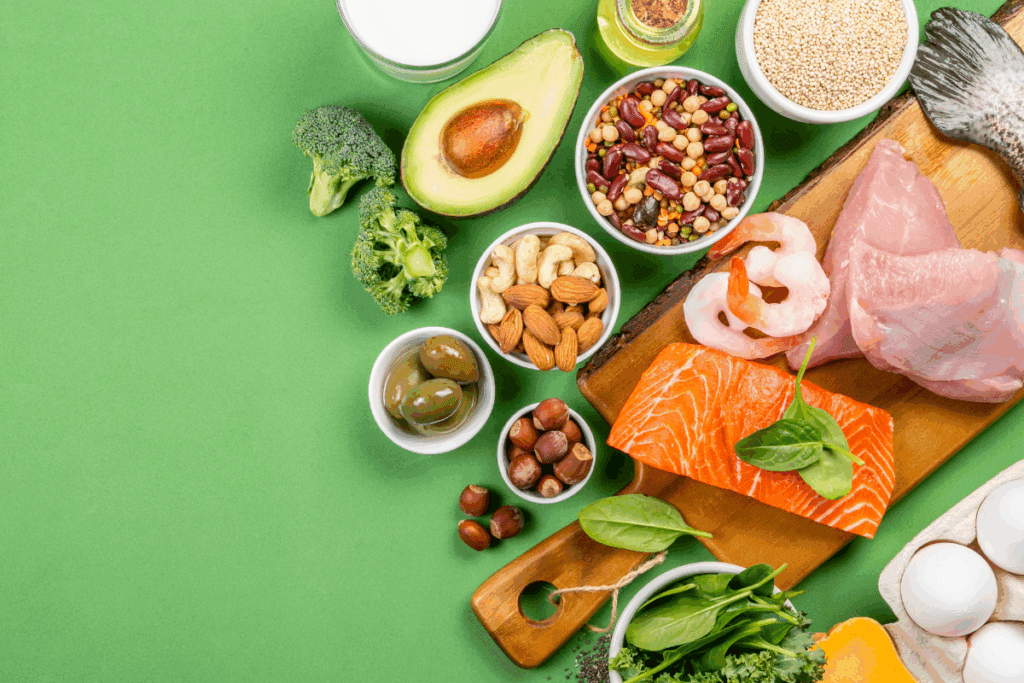
Age-related macular degeneration (AMD) is one of the leading causes of vision loss in adults over 50. But the good news is that lifestyle plays a real role in how fast it progresses. And diet is one of the biggest factors patients can control.
I talk with patients regularly who ask me: “Is there a best diet for macular degeneration?” The short answer is yes. Certain nutrients support the retina, reduce oxidative stress, and help slow the progression of AMD. In fact, macular degeneration nutrition is one of the most researched areas in eye health care today.
If you or a loved one has been diagnosed with macular degeneration — or you simply want to lower your risk — here’s what to eat, what to avoid, and how to build everyday meals that support long-term eye health.
Why Diet Matters for Macular Degeneration
Macular degeneration affects the macula, the small but powerful part of the retina responsible for sharp, central vision. Over time, oxidative stress and inflammation can damage the macula, making tasks like reading, recognizing faces, or driving more difficult.
Your eyes rely heavily on nutrients that:
- Reduce inflammation
- Neutralize free radicals
- Strengthen the retina
- Support healthy blood flow
A diet rich in antioxidants and carotenoids (especially lutein and zeaxanthin) can help protect the macula from damage, slow disease progression, and support what’s often called a macular degeneration prevention diet — one that helps protect retinal tissue before damage advances.
RELATED CONTENT: Best Foods for Eye Health
The Most Important Nutrients for Macular Degeneration
Below are some of the best foods for macular degeneration.
1. Lutein and Zeaxanthin
These powerful carotenoids act like “internal sunglasses,” filtering harmful blue light and protecting retinal tissue.
Best sources:
- Kale
- Spinach
- Collard greens
- Romaine lettuce
- Peas
- Broccoli
- Eggs (the yolks are especially helpful for the macula)
2. Omega-3 Fatty Acids
Omega-3s reduce inflammation and support retinal cell health. They may also help slow the progression of dry AMD.
Best sources:
- Salmon
- Mackerel
- Sardines
- Trout
- Flaxseed
- Chia seeds
- Walnuts
3. Vitamin C
Vitamin C is a strong antioxidant that protects retinal cells and supports blood vessel health.
Best sources:
- Oranges
- Strawberries
- Bell peppers
- Tomatoes
- Kiwi
- Brussels sprouts
4. Vitamin E
Vitamin E helps shield retinal cells from oxidative damage, a key factor in AMD progression.
Best sources:
- Almonds
- Sunflower seeds
- Peanuts
- Avocado
- Spinach
5. Zinc and Copper
Zinc helps carry vitamin A from the liver to the retina, while copper helps prevent deficiency when zinc intake is high.
Best sources:
- Oysters
- Beef
- Turkey
- Pumpkin seeds
- Chickpeas
- Fortified cereals
6. AREDS2 Nutrient Blend
For intermediate and advanced AMD, the AREDS2 formula is clinically proven to slow progression. It includes:
- Vitamin C
- Vitamin E
- Zinc
- Copper
- Lutein
- Zeaxanthin
This supplement doesn’t prevent AMD, but it does support healthy eating for AMD patients who already have intermediate disease. Talk with your eye doctor before starting it.
The Best Diet for AMD
While individual nutrients matter, the research overwhelmingly supports one overall diet pattern above the rest: A Mediterranean-style diet.
This is one of the most effective choices for macular degeneration nutrition. It naturally provides antioxidants, carotenoids, and healthy fats — all essential for retinal health and an excellent anti-inflammatory diet for eyes.
A Mediterranean diet for macular degeneration includes:
- Leafy greens
- Colorful vegetables
- Whole grains
- Nuts and seeds
- Fatty fish
- Beans and legumes
- Olive oil as the main fat
- Moderate dairy
- Limited red meat
- Minimal sugary or fried foods
People who follow a Mediterranean diet generally have slower AMD progression and a lower overall risk of developing advanced disease.
Foods to Avoid If You Have Macular Degeneration
Some foods contribute to inflammation and oxidative stress, which can speed up disease progression.
Try to limit:
- Fried foods
- Processed snacks
- Refined carbohydrates (white bread, pastries, sugary cereal)
- Excessive sugar
- Trans fats
- Heavily salted packaged foods
Red and processed meats are also associated with higher AMD risk over time. Choosing poultry, fish, or plant-based proteins more often offers better support for your retina.
And if you smoke, quitting is the single most impactful step you can take. Smoking directly accelerates macular degeneration.
What a Macular-Healthy Day of Eating Looks Like
If you’re trying to figure out how to put all of this together, here’s a simple example of a day built around eye-healthy foods.
- Breakfast: Scrambled eggs with spinach, whole-grain toast, a side of berries, and green tea
- Lunch: Salad with kale, romaine, tomatoes, peppers, salmon or grilled chicken, olive oil vinaigrette, and a handful of walnuts
- Snack: Hummus with carrots, almonds, or a cup of fruit
- Dinner: Baked trout or mackerel, roasted broccoli or Brussels sprouts, quinoa or brown rice, and mixed greens with olive oil
- Dessert: Fruit, dark chocolate (in moderation), or Greek yogurt
This kind of daily approach supports healthy eating for AMD patients and provides steady protection against oxidative stress.
Should You Still Take Supplements?
Food should always be your foundation; it’s the most complete, natural source of carotenoids and antioxidants for eye health. But supplements can play a role depending on your stage of AMD.
Supplements are usually recommended if:
- You have intermediate AMD
- You have advanced AMD in one eye
- Your doctor advises AREDS2 based on your retinal imaging
Supplements are not necessary for:
- Early AMD
- Patients without macular degeneration
- People who already eat a nutrient-rich, carotenoid-heavy diet
Your eye doctor can help you decide on vitamins for macular degeneration based on your OCT scans and photos.
RELATED CONTENT: Are Eye Vitamins Worth It?
Can Diet Cure Macular Degeneration?
No, diet can’t cure AMD or reverse damage. But it is one of the most powerful tools you have to protect your remaining vision and slow disease progression.
Consistency matters. The choices you make today can meaningfully protect your macula years down the road.
Final Thoughts
A healthy macular degeneration diet doesn’t have to be complicated. Focus on:
- Leafy greens
- Colorful fruits and vegetables
- Omega-3-rich fish
- Nuts and seeds
- Whole grains
- Olive oil
- Balanced, home-cooked meals
- Minimal fried or processed foods
Pair those habits with regular eye exams and ongoing monitoring, and you’re giving your eyes the best long-term support.