
If you wear contact lenses, you’ve probably asked yourself this at some point (or maybe you’ve done it accidentally):
“Is it okay if I fall asleep in my contacts?”
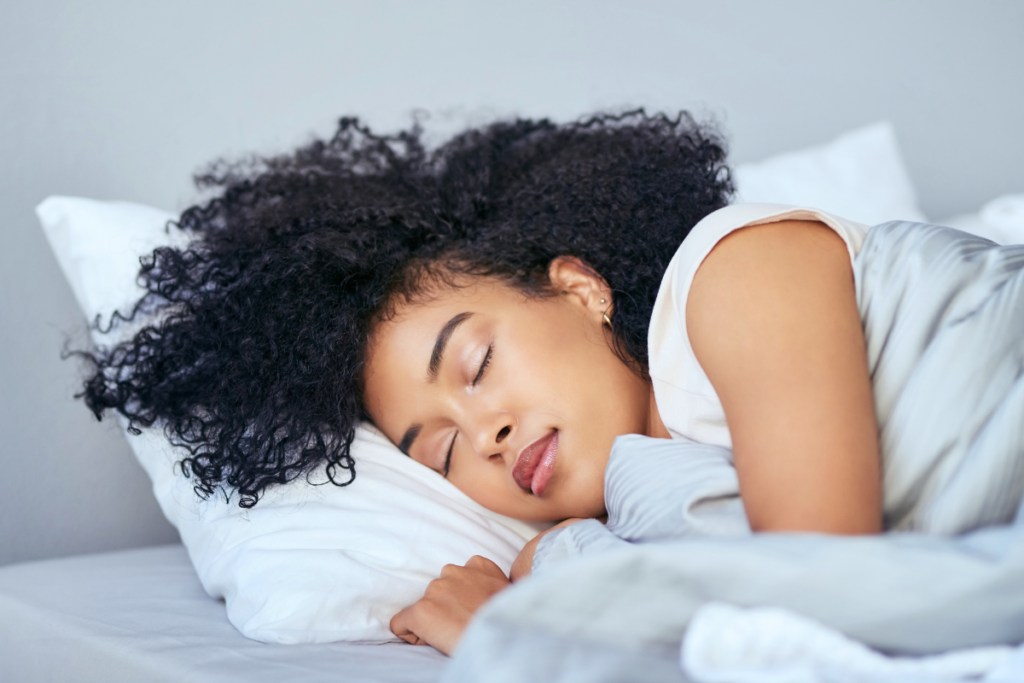
Whether it’s a quick nap on the couch, dozing off during a long flight, or forgetting to take your lenses out before bed, sleeping in contacts is incredibly common. But common doesn’t always mean safe.
Let’s break down what actually happens when you sleep in contact lenses, when it might be okay, and when it can put your eye health at risk.
Why Sleeping in Contacts Can Be a Problem
Your eyes need oxygen, especially your corneas. Unlike most parts of the body, the cornea doesn’t have blood vessels. It gets oxygen directly from the air.
When you’re awake and blinking normally, oxygen flows freely to the surface of your eye. But when you sleep:
- Your eyes are closed
- Oxygen supply is already reduced
- A contact lens acts as an added barrier
This combination can lead to corneal hypoxia, or low oxygen levels at the cornea. Over time (or sometimes quickly), that lack of oxygen can cause irritation, inflammation, and increase the risk of infection.
Is Napping in Contacts Safe?
Short answer: A nap is less risky than overnight sleep, but it’s not risk-free.
Short naps (20–30 minutes) are less likely to cause serious issues. Risk of eye harm increases if:
- Your eyes are already dry
- You’re wearing older lenses
- You nap regularly in contacts
You may wake up with:
- Dryness
- Blurry vision
- A gritty or irritated feeling
Sleeping Overnight in Contacts
You avoid sleeping in contacts overnight. If results in a significantly higher risk of:
- Eye infections
- Corneal inflammation
- Painful red eye
- Long-term corneal damage
Even a single night of sleeping in the wrong type of contact lenses can trigger a problem.
RELATED CONTENT: Pros & Cons of Contact Lenses
What About “Extended Wear” Contact Lenses?
Some contact lenses are FDA-approved for overnight or extended wear. These lenses are designed to allow more oxygen to pass through to the cornea.
That said, “approved” doesn’t mean “recommended for everyone.”
Even with extended-wear lenses:
- The risk of infection still increases
- Complications can still happen
- Many eye doctors (myself included) recommend removing them nightly when possible
Sleeping in contact lenses increases the risk of serious eye infections by up to 6 times, even with lenses approved for overnight use.
The Biggest Risk: Eye Infections
The most concerning complication of sleeping in contacts is microbial keratitis, a potentially serious corneal infection.
These infections can:
- Develop quickly
- Cause significant pain and light sensitivity
- Lead to corneal scarring
- Permanently affect vision if not treated promptly
I’ve seen patients who slept in contacts “just once” and woke up with a painful, red eye that required weeks of treatment.
Warning Signs You Should Never Ignore
If you’ve slept or napped in your contacts and notice any of the following, remove your lenses immediately and call your eye doctor:
- Redness that doesn’t improve
- Eye pain or soreness
- Light sensitivity
- Blurry or hazy vision
- Excessive tearing or discharge
- A feeling that something is stuck in your eye
Waiting it out can make things worse. Early treatment matters.
Why Some People Feel “Fine” After Sleeping in Contacts
You might be thinking: “I’ve slept in my contacts plenty of times and never had an issue.”
That’s not uncommon, but it’s also misleading.
Many contact-related complications are cumulative. Just because your eyes tolerated it before doesn’t mean they always will. Over time, repeated oxygen deprivation and irritation can lead to:
- Chronic dry eye
- Contact lens intolerance
- Increased infection risk
- Reduced wearing comfort
Your eyes may eventually decide they’ve had enough.
Tips If You Accidentally Fall Asleep in Your Contacts
It happens. Here’s what to do if you wake up with your contacts still in:
- Do not remove them immediately if your eyes feel dry. Add lubricating drops first and wait a few minutes.
- Remove the lenses gently once your eyes feel more comfortable.
- Give your eyes a break. Wear glasses for the rest of the day if possible.
- Clean or discard the lenses. Never put lenses back in your eyes without proper cleaning. Throw disposable lenses away.
- Monitor for symptoms. If redness or discomfort persists, schedule an eye exam.
Who Should Be Extra Careful?
Some people are at higher risk when it comes to sleeping in contacts, including:
- People with dry eye
- Those with allergies
- Anyone with a history of eye infections
- Smokers
- People who wear contacts for long hours daily
If you fall into one of these groups, sleeping in contacts is especially risky.
The Exception: Ortho-K Contacts
This is an important exception to talk about. Some contact lenses are intentionally designed to be worn while sleeping, but they serve a very specific medical purpose and are prescribed under close supervision.
One common example is myopia management lenses, such as overnight corneal reshaping lenses (often called orthokeratology or “ortho-k” lenses).
These lenses work differently than standard contacts:
- They are worn only at night
- They gently reshape the cornea while you sleep
- They are removed in the morning
- Clear vision is maintained during the day without contacts or glasses
In children and teens, these lenses can also help slow the progression of nearsightedness, which is why they’re becoming more common in pediatric eye care.
However, these lenses are:
- Made from specialized materials
- Carefully fitted and monitored
- Prescribed with strict hygiene and wear instructions
They are not the same as regular daily, bi-weekly, or monthly contact lenses.
Sleeping in standard contacts — even occasionally — is very different from wearing lenses that are specifically designed and prescribed for overnight therapeutic use.
If you’re curious whether overnight lenses might be appropriate for you or your child, that’s a conversation worth having with your eye doctor. However, do not assumed that all contacts are safe to sleep in.
RELATED CONTENT: Modern Solutions for Managing Nearsightedness
The Bottom Line
So, can you sleep or nap in your contacts?
- Occasional accidental naps usually aren’t an emergency
- Regular napping in contacts increases irritation and dryness
- Sleeping overnight in contacts significantly raises your risk of infection
- Even lenses approved for extended wear aren’t risk-free
The safest habit is simple: remove your contacts before sleeping whenever possible.
If you find yourself frequently falling asleep in your lenses, it may be time to talk about different contact options or whether glasses might be a better choice for certain parts of your day.