

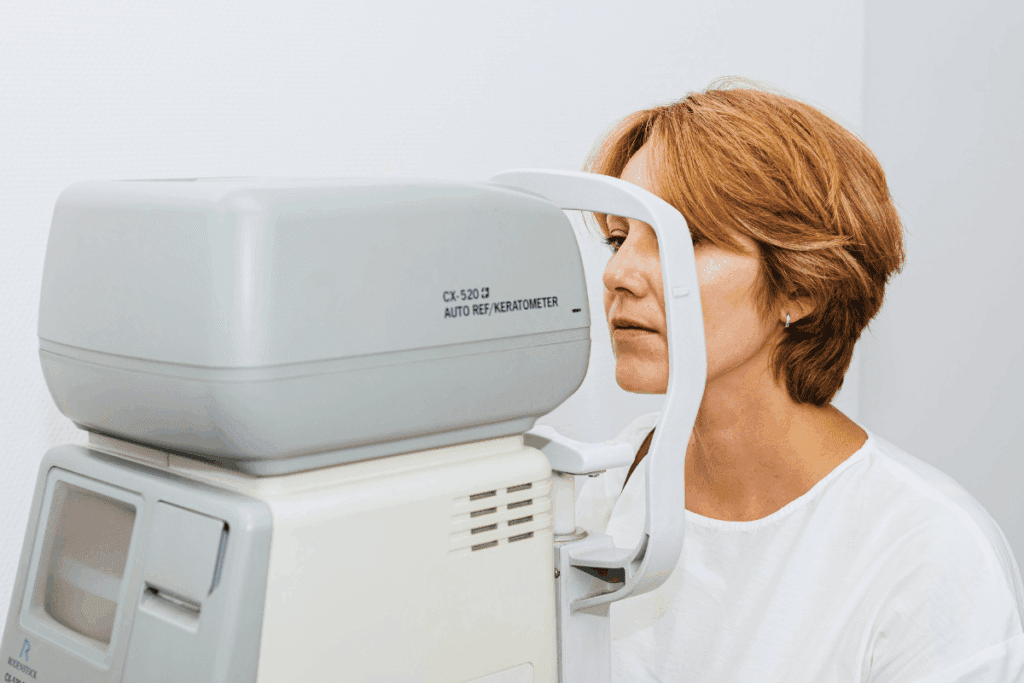
If I had to choose one eye disease that worries me the most for my patients, glaucoma would be near the top of the list. Not because it’s the most common, and not because it can’t be treated, but because it’s often invisible until it’s already caused permanent damage.
Glaucoma is known as “the silent thief of sight” for a reason. Most people don’t feel pain. Vision doesn’t suddenly blur. There’s no obvious warning sign.
Instead, glaucoma slowly affects your peripheral vision over time. Most patients don’t notice a change until the disease is much more advanced.
That’s why early detection is everything. The good news? We can catch glaucoma early, but only if you’re coming in for routine eye exams.
Let’s walk through how glaucoma develops and why symptoms are so hard to notice.
What Is Glaucoma?
Glaucoma isn’t just one disease; it’s actually a group of conditions that damage the optic nerve, which is your eye’s information highway to the brain. Most commonly, this damage is caused by high pressure inside the eye. However, glaucoma can occur even with normal pressure.
The two most common types are: primary open-angle and angle-closure glaucoma.
- Primary Open-Angle Glaucoma: This is the most common form and the sneakiest. The drainage angle of the eye remains “open,” but fluid doesn’t drain effectively. Pressure builds slowly over time, gradually damaging the optic nerve.
- Angle-Closure Glaucoma: This type is less common but more dramatic. The drainage angle closes suddenly, causing eye pressure to spike rapidly. This does cause noticeable symptoms, like severe pain, nausea, and blurry vision. And it is a medical emergency.
Most patients who ask, “How could I have glaucoma? I didn’t feel anything!” are dealing with open-angle glaucoma.
Why Glaucoma Has No Early Symptoms
Many eye conditions affect central vision early, which is easy to notice. Glaucoma does the opposite.
Glaucoma damages peripheral vision first. The brain is incredibly good at filling in missing pieces. So, even as small areas of peripheral vision fade, your central vision stays sharp. You keep reading, driving, and functioning completely normally.
By the time someone notices a problem — maybe they’re bumping into doorframes or struggling in dim lighting — the disease has usually progressed significantly.
That’s why waiting for glaucoma symptoms simply doesn’t work. Glaucoma develops without symptoms, at least ones you will notice. You can’t see it in the mirror. You won’t “sense” your eye pressure rising.
But specialized testing can detect early signs of glaucoma, which is why eye exams are so important.
How to Diagnose Glaucoma
Diagnosing glaucoma is a little bit like putting together a puzzle. There’s no single test that gives the entire answer. Instead, your exam includes several key pieces of information that help me determine your risk, catch early signs, and create a plan to protect your vision.
When patients ask about how to diagnose glaucoma, I explain that we look at the following measures of eye health:
- Eye pressure
- The structure of the optic nerve
- The thickness of the cornea
- The angle where fluid drains
- How your visual field is functioning
Together, these results give us a clear picture.
How to Test for Glaucoma
Let’s walk through what glaucoma screening looks like during an exam.
1. Eye Pressure Measurement (Tonometry)
This is the test most people know as the “air puff.” But it doesn’t always have to be a puff of air. Rebound tonometry relies on a small probe that gently taps the eye.
High eye pressure doesn’t always mean glaucoma. And normal pressure doesn’t always mean you’re safe. However, it’s an important data point in the bigger picture.
2. Optic Nerve Evaluation
To get a good look at the optic nerve, I usually need to dilate your eyes. I can see signs of thinning or cupping. These changes often appear long before you notice vision loss.
3. Optical Coherence Tomography (OCT)
This is one of the strongest tools we have today. OCT imaging creates a high-resolution scan of the optic nerve and retinal nerve fiber layer. It lets us see microscopic changes far earlier than previous technology allowed, sometimes years before vision loss occurs.
4. Visual Field Testing
This is the test where you press a button when you see small flashes of light. It maps your peripheral vision and shows us if glaucoma has already caused any functional changes. It’s essential for diagnosis and monitoring.
5. Gonioscopy
This quick test uses a special lens to examine the drainage angle inside your eye. It tells us whether you have open-angle glaucoma, angle-closure risk, or a narrow angle that might need preventative treatment.
6. Corneal Thickness Measurement (Pachymetry)
The thickness of your cornea affects how we interpret your eye pressure. Thinner corneas tend to underestimate pressure; thicker corneas may overestimate it.
Each test adds one more layer of clarity to help determine your risk and keep your vision safe.
RELATED CONTENT: The Technology Behind the Modern Eye Exam
Who Is at Risk for Glaucoma?
While anyone can develop glaucoma, certain risk factors make regular exams even more important:
- Age 40+
- Family history of glaucoma
- High eye pressure
- Thin corneas
- Nearsightedness (myopia)
- Past eye injuries
- Long-term steroid use
- African, Hispanic, or Asian heritage
If you fall into one or more of these categories, consistent testing is key — even if your eyes feel perfectly fine.
What Happens After a Glaucoma Diagnosis?
If we detect early glaucoma or simply elevated risk, the goal is to protect the optic nerve and preserve vision long-term.
Glaucoma treatment options may include:
- Prescription eye drops to lower pressure
- Laser treatments to improve fluid drainage
- Eye pressure monitoring
- Regular OCT and visual field tests
- Coordination with a glaucoma specialist if needed
Glaucoma can’t be reversed. But with early diagnosis and modern treatment, we can slow or stop its progression in the vast majority of cases.
Why Regular Eye Exams Are Your Best Defense
Glaucoma’s biggest challenge is its silence. You won’t feel it. You won’t see it. You won’t notice it until the disease is advanced.
But I will.
And that’s why comprehensive eye exams matter.
At Emerald Point Eye Care, our glaucoma testing combines advanced imaging, detailed visual field analysis, and personalized risk assessments. These tools allow us to detect changes long before they affect your daily life.
If it’s been a while since your last eye exam or if you have a family history of glaucoma, now is the perfect time to schedule an appointment. Early detection is the best protection.