

Eye problems rarely happen when it’s convenient. You might get dust in your eye while working outside, break your glasses at work, or discover a torn contact lens at the end of a long day.
Knowing some basic eye first aid can help you respond calmly and protect your vision until you can see an eye doctor. Many situations involving minor eye injury treatment can be managed safely with simple steps at home.
Let’s walk through some of the most common eye emergencies and how to handle them.
What to Do If Something Gets in Your Eye
One of the most common eye problems people experience is getting debris in the eye. Dust, sand, makeup, eyelashes, or small particles can easily get trapped under the eyelid.
Many people immediately rub their eyes, but that can make the situation worse. Rubbing can push the debris deeper into the eye or scratch the cornea.
If you’re wondering what to do if something gets in your eye, follow these simple eye first aid steps.
1. Blink repeatedly
Blinking rapidly helps your natural tears wash away small particles. Sometimes blinking alone is enough to remove debris from the eye without any additional steps.
2. Rinse your eye with clean water or saline
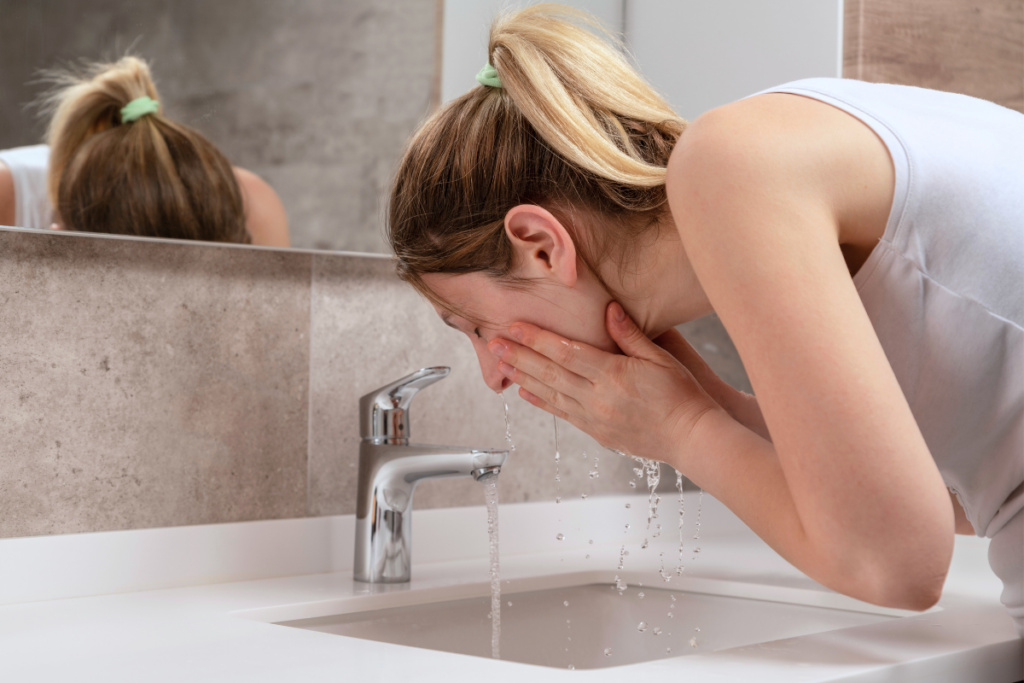
If blinking does not work, the next step is how to flush your eye safely. Use clean water, sterile saline, or contact lens solution to gently rinse your eye. This process helps wash away particles and soothe irritation.
If you’re unsure how to rinse your eye safely, remember this: let the water flow across the eye rather than spraying it directly into the eye. This simple step can often resolve eye irritation first aid situations quickly.
3. Check under the eyelid
Sometimes debris becomes trapped under the upper eyelid. Gently pulling the upper lid over the lower lashes can help sweep the particle away.
If irritation continues even after rinsing, it may mean the debris is still present. At that point, an exam with an eye doctor may be necessary.
4. Avoid using tools
Never use tweezers, cotton swabs, or tissues to remove something from your eye. This can cause scratches or introduce bacteria.
How to Make a Simple Eyewash Station at Home
Workplaces often have professional eyewash stations designed for eye safety. But most people don’t have one available at home or outdoors.
Fortunately, it’s possible to create a simple eye wash at home using a water bottle. This makeshift eyewash station can help you flush debris from the eye when you need eye emergency first aid.
Here’s how:
- Take a clean plastic water bottle.
- Use a knife or sharp object to make a small hole in the cap.
- Fill the bottle with clean water.
- Squeeze the bottle to create a gentle stream.
This trick turns an ordinary water bottle into a portable makeshift eyewash station that can help flush your eye when dust, sand, or debris gets inside.
Just make sure the water is clean and the pressure is gentle.
What to Do If Your Glasses Break
Another common situation is dealing with broken or damaged glasses when you don’t have immediate access to an optometry office.
A quick temporary glasses repair can often keep your glasses wearable until a professional repair is possible.
RELATED CONTENT: Why Your Glasses Aren’t As Clear As They Used to Be
Tightening loose screws
A loose hinge screw is one of the most common eyewear issues. Tightening the screw with a small eyeglass screwdriver may solve the issue. If you don’t have a screwdriver available, your local optometrist can usually tighten the frame in seconds.
If the glasses screw fell out, you may be able to create a quick fix for broken glasses using simple items like:
- A small safety pin
- A trimmed toothpick
- A thin piece of wire
These are not permanent repairs, but they can temporarily stabilize the hinge until you visit an optical shop.
Fixing a bent frame
If your frames get bent, resist the urge to force them back into shape. Metal frames can sometimes be adjusted gently, but plastic frames often require heat to avoid breaking.
If your glasses feel crooked, the safest short-term solution is usually to wear them carefully until a professional adjustment can be made.
Repairing a broken bridge
If the bridge of your glasses snaps, clear tape can temporarily hold the pieces together. Wrap the tape tightly around the break to stabilize the frame.
It may not look stylish, but it can keep your glasses usable until repairs are possible.
What to Do If Your Contact Lens Tears
Contact lenses occasionally tear or fold during removal. If this happens, the most important thing is to make sure the entire lens comes out of your eye.
Try these steps:
- Wash your hands thoroughly.
- Look in a mirror and gently pull down your lower eyelid.
- Check for any visible lens fragments.
- If you feel irritation but cannot see the lens, try lubricating eye drops and blinking.
A torn contact lens usually does not get lost behind the eye, but fragments can remain under the eyelid and cause irritation.
If discomfort continues, it’s best to have your eye examined to ensure nothing remains in the eye.
RELATED CONTENT: Practical Ways to Get Relief From Contact Lens Discomfort
When Eye Irritation Might Be Something More Serious
While many eye issues are minor, certain symptoms should always be evaluated by an eye doctor.
Seek professional care if you experience:
- Persistent eye pain
- Sudden vision changes
- Sensitivity to light
- Significant redness
- A chemical splash in the eye
- A metal or sharp object entering the eye
Chemical exposure in particular requires immediate rinsing for at least 15 minutes and urgent medical care. Eye injuries involving metal or high-speed tools can also be more serious than they initially appear.
A Few Eye Safety Habits That Prevent Problems
The best eye first aid is prevention. A few simple habits can reduce your risk of eye injuries:
- Wear safety glasses when using power tools
- Avoid rubbing your eyes
- Replace contact lenses as directed
- Keep lubricating eye drops available
- Schedule regular eye exams
Many eye problems can be caught early during routine exams before they become more serious.
The Bottom Line
Eye emergencies don’t always happen near an optometry office. Knowing a few basic eye first aid techniques can help protect your vision until professional care is available.
But if pain, vision changes, or significant irritation occur, it’s always safest to have your eyes examined. Your vision is too important to ignore when something doesn’t feel right.
If you ever have concerns about your eyes, we’re here to help.