

Diabetes affects far more than blood sugar levels. Over time, it can impact nearly every part of the body, including the eyes. In fact, diabetic eye disease is one of the leading causes of vision loss in adults, and it often develops quietly, without noticeable symptoms in its early stages.
I regularly see patients who are surprised to learn that diabetes has already begun affecting their eyes, even when their vision still feels “normal.” Understanding diabetic eye disease is the first step toward protecting your sight long-term.
Let’s break down what diabetic eye disease is, how it develops, and what you can do to reduce your risk.
What Is Diabetic Eye Disease?
Diabetic eye disease is an umbrella term that describes several eye conditions associated with diabetes. These conditions affect the blood vessels and tissues inside the eye, particularly the retina, which is the light-sensitive layer at the back of the eye responsible for vision.
The most common forms of diabetic eye disease include:
- Diabetic retinopathy
- Diabetic macular edema (DME)
- Cataracts
- Glaucoma
While cataracts and glaucoma can occur in people without diabetes, diabetes significantly increases the risk and can cause them to develop earlier or progress faster.
How Diabetes Affects the Eyes
Chronically elevated blood sugar damages small blood vessels throughout the body. In the eyes, this damage occurs in the tiny vessels that supply the retina.
Over time, high blood sugar can cause these vessels to:
- Weaken
- Leak fluid or blood
- Become blocked
- Grow abnormally
This disruption interferes with how the retina functions and can lead to blurred vision, vision loss, or even blindness if left untreated.
The challenging part? Many of these changes happen long before you notice any visual symptoms.
Diabetic Retinopathy
Diabetic retinopathy is the most common and most serious diabetic eye disease. It develops in stages.
Early (Non-Proliferative) Diabetic Retinopathy
In the early stage, small retinal blood vessels begin to weaken and leak. Tiny bulges (microaneurysms) may form, and small hemorrhages can occur.
At this stage:
- Vision may be completely normal
- Damage is often only visible during a dilated eye exam
Advanced (Proliferative) Diabetic Retinopathy
As the disease progresses, damaged blood vessels close off, and the retina becomes deprived of oxygen. In response, the eye begins growing new blood vessels. But these vessels are fragile and abnormal.
This can lead to:
- Significant bleeding inside the eye
- Scar tissue formation
- Retinal detachment
- Severe vision loss
Diabetic Macular Edema (DME)
The macula is the central part of the retina responsible for sharp, detailed vision — the kind you need for reading, driving, and recognizing faces.
Diabetic macular edema occurs when fluid leaks into the macula, causing it to swell. This can happen at any stage of diabetic retinopathy and is one of the most common causes of vision loss in people with diabetes.
Symptoms may include:
- Blurry or distorted central vision
- Difficulty reading
- Colors appearing faded
Cataracts and Glaucoma in Diabetes
People with diabetes are also more likely to develop cataracts and glaucoma.
Cataracts
Cataracts cause the eye’s natural lens to become cloudy. In people with diabetes, cataracts tend to:
- Develop earlier
- Progress more quickly
- Cause more noticeable glare and blurred vision
Glaucoma
Diabetes nearly doubles the risk of glaucoma. This condition damages the optic nerve, often due to increased eye pressure. Some forms of glaucoma are linked to abnormal blood vessel growth caused by diabetes.
Symptoms of Diabetic Eye Disease
One of the most concerning aspects of diabetic eye disease is that it often has no early warning signs. Many patients feel fine until the disease has already progressed.
When symptoms do appear, they may include:
- Blurred or fluctuating vision
- Dark spots or floaters
- Difficulty seeing at night
- Sudden vision loss
By the time these symptoms occur, permanent damage may already be present. This is why regular diabetic eye exams are essential, even if your vision feels stable.
The Importance of Annual Diabetic Eye Exams
If you have diabetes — type 1 or type 2 — you should have a comprehensive dilated eye exam every year.
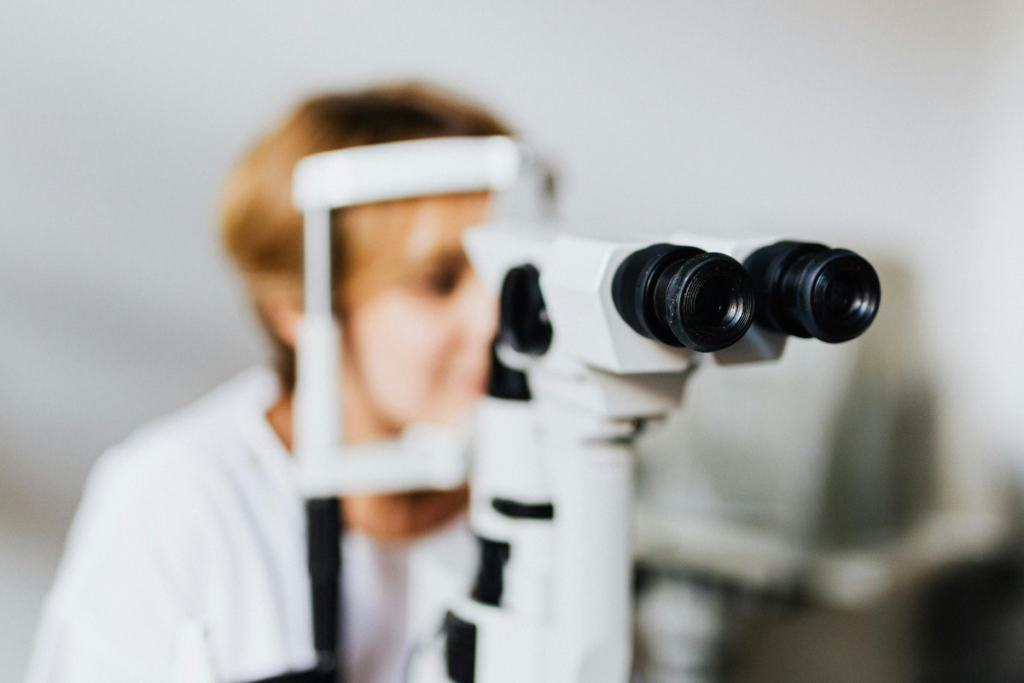
During a diabetic eye exam, we:
- Dilate your pupils to examine the retina
- Assess blood vessels for leakage or damage
- Look for signs of swelling, bleeding, or abnormal vessel growth
- Monitor changes over time using retinal imaging
These exams allow us to detect diabetic eye disease early, when treatment is most effective and vision loss can often be prevented.
Managing Diabetes to Protect Your Vision
While diabetic eye disease is serious, it’s not inevitable. Good diabetes management plays a major role in protecting your eyes.
Key factors include:
- Blood sugar control: Consistent glucose management significantly reduces risk.
- Blood pressure control: High blood pressure worsens retinal damage.
- Cholesterol management: Elevated cholesterol contributes to vessel damage.
- Regular eye care: Early detection leads to better outcomes.
Think of eye exams as part of your diabetes care team alongside your primary care provider and endocrinologist.
Treatment Options for Diabetic Eye Disease
Treatment of diabetic eye disease depends on the severity and type of disease present. Options may include:
- Close monitoring in early stages
- Prescription eye treatments or injections
- Laser therapy
- Surgical intervention for advanced disease
The goal is always the same: preserve vision and prevent further damage. Early diagnosis often means simpler treatment and better long-term results.
Final Thoughts: Protecting Your Sight Starts Early
Diabetic eye disease doesn’t have to mean vision loss. But it does require attention, education, and proactive care.
If you have diabetes, even if your vision seems fine, regular eye exams are one of the most powerful tools you have to protect your sight for years to come.
At Emerald Point Eye Care, we’re here to help you understand what’s happening with your eyes and guide you through every stage of care. Reach out to us with any questions!