
As an optometrist, I frequently hear this question: “How long should my glasses last?”
And like most things in eye care, the real answer is: it depends.
Glasses and contact lenses don’t have an expiration date printed on them. But the lifespan of glasses and contacts is influenced by how you use them, how well they’re made, and how much your eyes change over time. The good news? With the right expectations and proper care, you can get the most out of both.
Let’s break down how long glasses typically last so you always see your best and protect your eye health.
How Long Should Glasses Last?
Most patients can expect their everyday glasses to last between 1–3 years. Some will last longer, especially if you own multiple pairs and rotate them. Others may need to be replaced sooner if your prescription changes frequently or your glasses take more wear and tear than average.
Here are some general things to consider when it comes to how often to get new glasses.
1. Prescription Changes
Your eyes naturally change over time, even if your vision feels “fine.” Many patients need small prescription updates every 1–2 years, which is enough to improve clarity or reduce headaches, eye strain, and night-driving glare.
Common prescription change signs:
- Squinting at distances that used to feel easy
- More glare or halos around lights
- Headaches, especially after screen time
- Trouble reading small print or menu text
- Feeling “off” even though you can technically still see
If you’re experiencing any of these, it’s a good indicator that your glasses might not be doing their best work anymore.
2. Lens Quality
Not all glasses last the same. Higher-quality lenses with durable scratch-resistant coatings tend to last longer. Cheaper lenses or online glasses may develop:
- Fine scratches that blur your vision
- Peeling anti-reflective coating
- Surface haze
- Tiny cracks or warping
When this happens, even if the prescription itself is fine, the lenses might not be. You may need to replace scratched lenses at a minimum, even if you keep the same frame.
3. Frame Durability
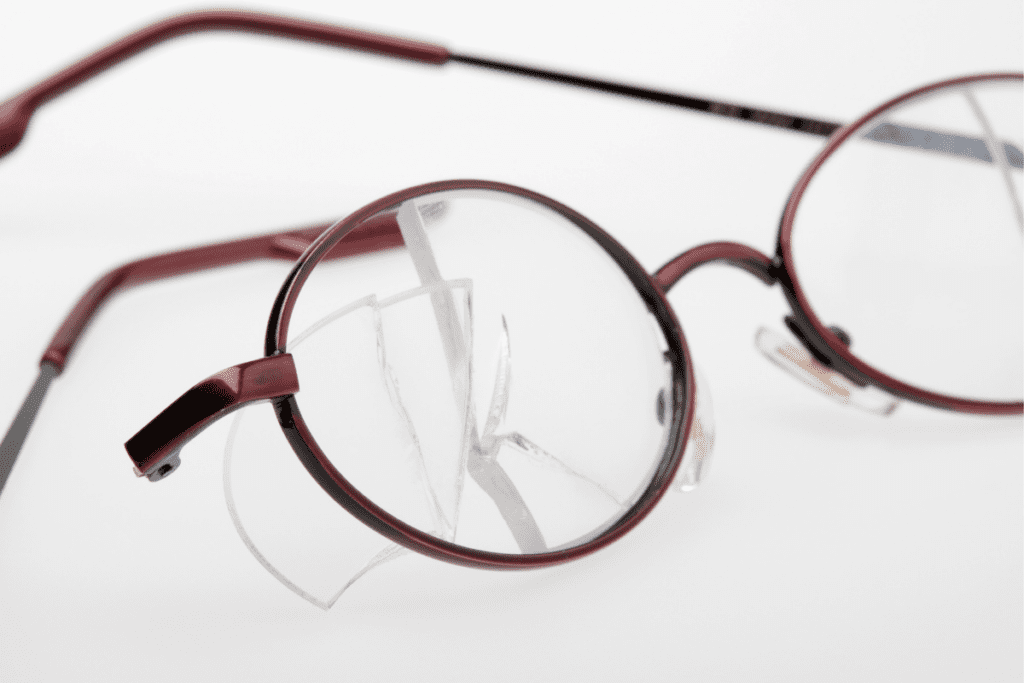
Well-made frames can last years, but they simply aren’t indestructible. Glasses wear and tear leads to loosening, bending, or fatigue in the material. Common reasons frames need replacing:
- Stretched-out hinges
- Broken temples
- Cracked bridges
- Loose fit that we can’t adjust anymore
- Style changes (yes, that counts!)
Kids’ glasses tend to have a shorter lifespan because they’re… well… kids.
4. Your Lifestyle
If you’re active, outdoors often, or tough on your glasses, you might replace them more often. If you’re gentle, rotate pairs, or use separate glasses for work, driving, and sports, they’ll last much longer.
Signs It’s Time to Replace Your Glasses
Even if nothing is visibly broken, here are signs you need new glasses:
- You’ve had your current pair for more than two years
- You’re noticing more eye strain at the computer
- You avoid wearing your glasses because they’re scratched
- You’re struggling to drive at night
- They keep slipping, bending, or feeling uneven
- The lenses look cloudy
- You want thinner, lighter, or clearer lenses with newer technology
Glasses aren’t just a fashion accessory — they’re a medical device you use every single day. When they’re not working well, you feel it.
How Long Should Contact Lenses Last?
Contact lenses follow a more structured (and more important!) replacement schedule than glasses. Your lenses may feel fine past their intended timeline, but wearing them too long increases the risk of dryness, inflammation, infection, and long-term corneal issues.
Here’s a general contact lens replacement schedule:
Daily Disposable Contacts
- Wear once
- Toss at the end of the day
These are the safest, healthiest lenses because you use a fresh, sterile pair every morning. If you wear lenses infrequently, dailies also ensure you’re never pushing past the expiration.
Bi-Weekly Disposable Contacts
- Replace every 14 days, even if you only wore them a few times
- Clean and store nightly
- Never stretch to a third or fourth week
Protein buildup, lens dehydration, and bacterial contamination all increase significantly after the two-week mark. Adhering to contact lens safety can help you avoid these risks.
Monthly Disposable Contacts
- Replace every 30 days, not “when they feel uncomfortable”
- Clean and store nightly
- Avoid pushing them to 6–8 weeks (common… but not safe!)
Once a lens reaches its designed end-of-life, it becomes less breathable and more prone to depositing films of protein and lipids. Throw away your expired contact lenses!
Rigid Gas Permeable (RGP) or Scleral Lenses
These durable lenses last much longer, typically 1–3 years. However, they require excellent cleaning routines and regular check-ins to ensure the fit and surface remain healthy.
How to Know When to Replace Your Contacts
You should replace your contacts if you notice:
- Redness or irritation
- Blurred or fluctuating vision
- Dryness that’s new or worsening
- Difficulty getting lenses clean
- Chips, tears, or edges that feel rough
- Discomfort the moment you put them in
Or simply: if you’ve hit the scheduled replacement date.
Trust the schedule, and your eyes will thank you.
The Bottom Line
So when someone asks me how long glasses and contacts last, here’s the simple version:
- Glasses: 1–3 years for most people
- Daily contacts: Replace daily
- Bi-weekly contacts: Replace every 14 days
- Monthly contacts: Replace every 30 days
- RGP/scleral lenses: 1–3 years with proper care
The most important thing: listen to your eyes. If something feels off, don’t wait. A comprehensive eye exam can tell you whether it’s your prescription, the lens quality, or something else.