
If you’ve ever had a red bump, tender spot, or swelling near your lash line, you’ve likely experienced the effects of an infected eyelash pore. These tiny openings along your eyelid play a big role in eye comfort. But when they get clogged or inflamed, they can lead to issues like styes, chalazions, or blepharitis.
The good news: most of these problems are preventable with the right habits and hygiene. Learn what’s really happening when an eyelash pore gets infected and what you can do to keep your eyelids healthy and comfortable.
What Are Eyelash Pores?
Every eyelash grows from its own follicle, much like the hair on your head. Each follicle has small oil glands called sebaceous glands. Nearby are meibomian glands, which are special oil glands that line the edge of your eyelid.
Together, these structures keep your lashes flexible and your eyes lubricated by releasing oils that stabilize your tear film. But when the pores or glands become clogged with oil, debris, or bacteria, inflammation quickly follows.
What Causes Infected Eyelash Pores?
An infected eyelash pore (sometimes called an eyelash follicle infection) develops when bacteria — most often Staphylococcus aureus — get trapped inside a blocked gland or hair follicle. Here’s what can trigger that:
- Poor Eyelid Hygiene: Sleeping in eye makeup, touching your eyes with unwashed hands, or skipping your nightly face wash can all allow oil and bacteria to build up around the lash line.
- Blocked Oil Glands: The meibomian glands can easily become clogged by thickened oils or dead skin cells. When the oil can’t flow normally, it creates a breeding ground for bacteria.
- Chronic Inflammation (Blepharitis): People with blepharitis often have flaky, crusty buildup along the lashes and inflamed skin at the base of the follicles. These conditions make infection more likely.
- Skin Conditions: Rosacea and seborrheic dermatitis can cause excess oil production and irritation, both of which contribute to pore blockage.
- Contact Lens or Makeup Use: Not cleaning lenses properly or using old eye makeup can transfer bacteria to your eyelids and lashes.
- Dry, Dusty Environments: Here in Boise, dry air and seasonal dust can worsen eyelid irritation and make blockages more frequent, especially during allergy season.
Styes & Chalazions
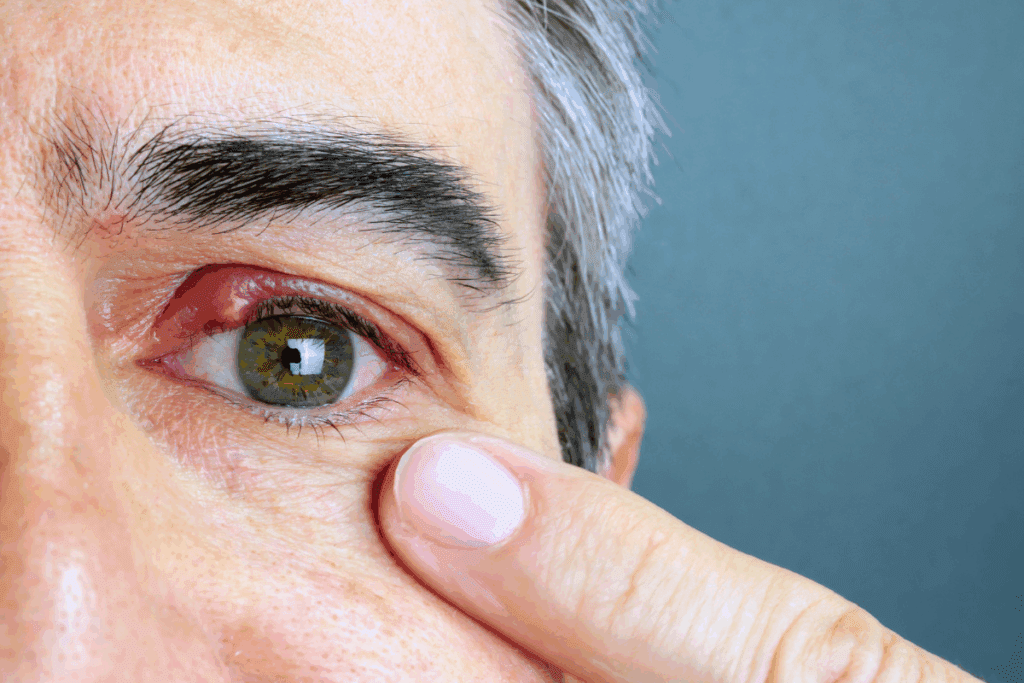
When an eyelash pore becomes infected, the result is usually a stye, a red, painful bump near the lash line. It looks like a pimple and may fill with pus as the body fights off bacteria.
When a gland becomes blocked but not infected, the trapped oil can harden and form a chalazion, a firm, often painless lump further from the lash line.
In short:
- Stye = infection of an eyelash pore or gland
- Chalazion = inflammation from a clogged oil gland
Both start with the same root issue: poor drainage and trapped oil.
Signs You Might Have an Infected Pore
You might notice:
- A small, red bump at the base of a lash
- Localized swelling or tenderness
- A feeling of pressure in the eyelid
- Crusting along the lash line
- Mild tearing or irritation
In some cases, a white or yellow “head” forms, similar to a pimple. While most are minor, they can become quite uncomfortable and affect blinking or vision if the swelling spreads.
Treatment Options
For most people, mild infections improve on their own with a little TLC. Here’s what I typically recommend:
- Warm Compresses: Apply a warm, clean compress to your eyelid for 10–15 minutes, several times a day. This helps melt hardened oils, loosen debris, and encourage drainage.
- Gentle Cleansing: Use a diluted baby shampoo or a commercial eyelid cleanser to gently clean the lash line. This removes bacteria and excess oils without irritation.
- Hands Off: Avoid rubbing, squeezing, or trying to pop the bump. That can spread bacteria deeper into the tissue and make the infection worse.
- Skip Makeup & Contacts: Give your eyelids a break until everything heals. Makeup and contact lenses can harbor bacteria that slow recovery.
- Over-the-Counter Relief: Artificial tears can soothe irritation, and cold compresses can reduce swelling once the infection begins to calm.
If the bump doesn’t improve after about a week, or if it’s especially painful or keeps coming back, your eye doctor may prescribe antibiotic drops or ointment. Occasionally, we need to drain a large stye or chalazion in-office.
RELATED CONTENT: Home Remedies for an Eye Stye
Preventing Infected Eyelash Pores
Keeping your eyelids clean is the simplest and most effective prevention strategy. Here are a few habits I recommend to my patients:
- Remove makeup nightly, especially mascara and eyeliner.
- Wash your eyelids daily with a gentle cleanser or lid wipe.
- Replace eye makeup every 3–6 months to avoid bacterial growth.
- Clean contact lenses properly and follow replacement schedules.
- Eat omega-3-rich foods (like salmon or flaxseed) to support healthy oil production.
- Manage allergies and rosacea, which can increase eyelid inflammation.
If you’re prone to recurring issues, an optometrist can evaluate you for meibomian gland dysfunction (MGD) and provide treatments like LipiFlow® or manual gland expression to help restore healthy oil flow.
When to Call Your Eye Doctor
You should schedule an exam if:
- The swelling doesn’t improve within 7–10 days
- The bump grows large or affects your vision
- The redness spreads
- You notice discharge
- You frequently get styes or chalazions
Recurrent infections may point to an underlying issue like chronic blepharitis, MGD, or even a skin mite (Demodex) infestation. But these conditions can be easily managed with the right care plan.
The Bottom Line
Infected eyelash pores may seem like a small problem, but they can quickly become painful or persistent if not addressed properly. The key is prevention: good eyelid hygiene, clean makeup habits, and regular eye exams.