

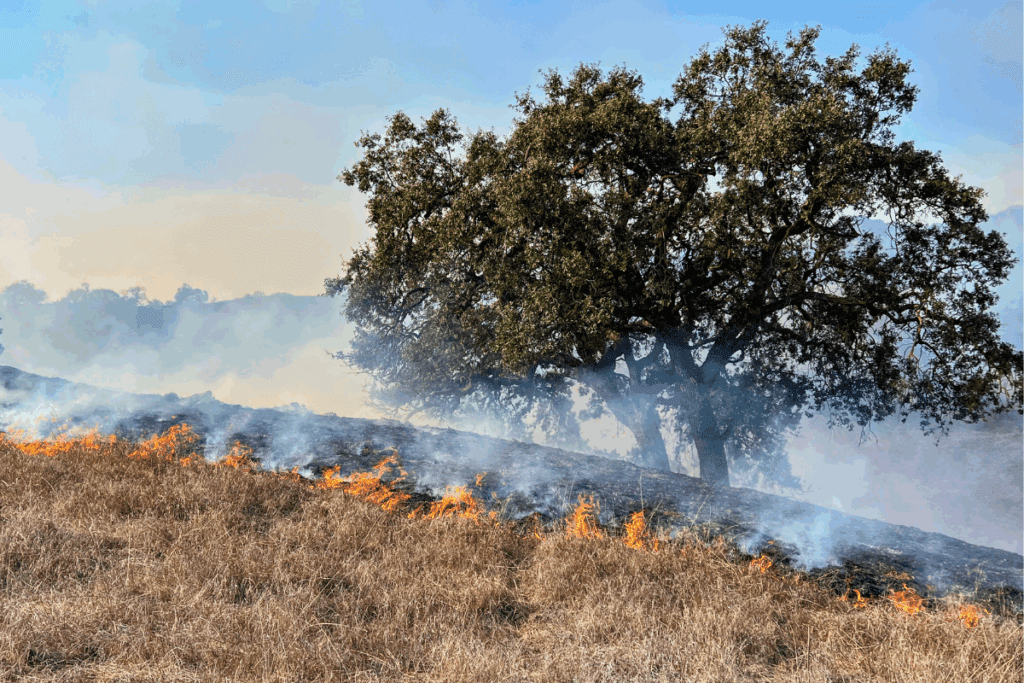
Every summer and fall, wildfire smoke becomes part of daily life across the West. Even if you’re miles away from the flames, the smoky haze in the air can make your eyes sting, water, and feel gritty. For people with allergies or dry eye, symptoms may be even worse.
It’s worth paying attention to how fire season affects your eye health. Below are some practical tips to help you keep your eyes comfortable and protected when the skies are smoky.
How Smoke Affects Your Eyes
Wildfire smoke is a mixture of gases and fine particles. These tiny particles are especially irritating because they can bypass your eyes’ natural defenses and stick to the tear film that coats your cornea. Ultimately, smoke can cause:
- Redness or bloodshot eyes
- Eye irritation, stinging, or burning
- Watery eyes
- A gritty, sandy feeling
- Increased light sensitivity
If you already struggle with dry eye, allergies, or wear contact lenses, smoky air can make these issues flare up.
Eye Care Tips During Fire Season
Learn how to best care for your eyes when it’s smoky outside.
1. Limit Exposure When Air Quality Is Poor
Here in Idaho, fire season can stretch from late summer into fall. Boise residents often notice smoke settling in the valley, making even clear mornings suddenly hazy. Check the local Air Quality Index (AQI) before heading outdoors. Many weather apps include this, too.
When the AQI is in the “unhealthy” range, try to:
- Stay indoors as much as possible
- Keep windows and doors closed
- Run an air purifier if you have one
Even short exposure outdoors can trigger symptoms. So treat smoky days like high-pollen allergy days and limit your time outside when you can.
2. Use Artificial Tears
Over-the-counter lubricating drops (artificial tears) can help wash out smoke particles and soothe irritation. Use preservative-free formulas if you plan to use them several times a day. Keep a bottle handy in your purse, car, or office during fire season.
Pro Tip: Store an extra vial in the fridge. The cool drops provide extra relief for burning or stinging eyes.
3. Wear Protective Eyewear Outdoors
If you need to be outside, sunglasses or wrap-around glasses create a physical barrier against smoke and ash particles. They won’t filter the air, but they can cut down on irritation and shield your eyes from wind that dries them out faster.
4. Avoid Rubbing Your Eyes
When your eyes itch or burn, it’s tempting to rub them. But rubbing can worsen irritation, push particles deeper, and even damage the cornea. Instead, rinse with artificial tears or splash your eyes with clean, cool water.
5. Consider Switching from Contacts to Glasses
Smoke particles cling to your contact lenses, which can make your eyes feel scratchy and uncomfortable. If you notice worsening irritation, give your eyes a break by wearing glasses on smoky days. Glasses actually add a layer of protection against airborne particles.
6. Stay Hydrated
Your tear film is mostly made of water. Drinking plenty of fluids helps keep tears balanced, which protects against dry, smoky air. Aim for a full glass of water every couple of hours, especially if you’re outdoors.
7. Use a Cool Compress
At the end of the day, if your eyes feel tired and irritated, try a cool compress. A clean, damp washcloth placed over closed eyelids can calm redness, burning, and puffiness.
8. Know When to Call Your Eye Doctor
Mild irritation usually clears up with home care. However, if symptoms are severe or persistent, schedule an appointment. Contact your eye doctor if you experience:
- Significant pain or vision changes
- Discharge that looks like pus
- Symptoms that don’t improve with artificial tears
- Eye redness in only one eye
These can be signs of infection or other conditions that require medical attention.
FAQs About Wildfire Smoke & Eye Health
- Can wildfire smoke cause long-term eye damage? In most cases, smoke exposure causes temporary irritation that goes away once the air clears. However, repeated or prolonged exposure can worsen chronic dry eye and may contribute to inflammation over time.
- How do I know if it’s just smoke irritation or something more serious? Smoke irritation usually causes burning, redness, watering, or a gritty feeling in both eyes. If you notice thick discharge, pain, vision changes, or if symptoms affect only one eye, it could be an infection or another condition.
- Do children and seniors need special precautions? Yes. Kids and older adults are more sensitive to smoke exposure. Their eyes may dry out faster, and they may not always recognize symptoms.
- Is it safe to wear contact lenses during fire season? You can, but smoke particles tend to stick to lenses and worsen irritation. If your eyes feel uncomfortable, switch to glasses until the air improves. Daily disposable lenses are often more comfortable than monthly lenses during smoky conditions.
Final Thoughts
If your eyes are feeling the effects of fire season, you’re not imagining it. Smoke really does take a toll. The good news is that most irritation clears once the air does. Until then, lean on these tips, listen to your body, and give your eyes some extra care. They’ve got a lot of beautiful sunsets left to see.