
Contact lenses are the go-to choice for clear vision for millions of people. Whether you want the convenience of glasses-free vision for sports, a full field of view, or simply a style change, contacts are a great option.
Of course, no vision solution is perfect. Contact lenses come with both benefits and challenges. If you’re weighing whether they’re right for you, explore the pros and cons below.
The Pros of Contact Lenses
Let’s start with the benefits of contacts.
1. Natural Look & Feel
Contacts give you crisp vision without changing your appearance. Many people appreciate that they don’t cover up their eyes the way glasses can.
2. Wider Field of View
Glasses can limit your peripheral vision. With contacts, the lens sits directly on your eye, providing a full range of sight. This is especially helpful when you’re driving down I-84.
3. Great for Active Lifestyles
Sports and outdoor recreation are huge in Boise, from skiing at Bogus Basin to biking the Greenbelt. Contacts won’t slip down your nose, fog up, or fall off when you’re active.
4. No Weather Glare or Fog
Anyone who has walked outside on a chilly morning knows the frustration of fogged-up glasses. Contacts don’t have that issue, making them great for Boise’s variable weather.
5. Variety of Options
There are actually many types of contact lenses, from daily disposables and extended-wear lenses to toric lenses for astigmatism and multifocal contacts for presbyopia. These options cater to different prescriptions and lifestyles.
RELATED CONTENT: Easy Guide to Different Types of Contacts
The Cons of Contact Lenses
Contacts are not a perfect form of vision correction. Here are some of the top challenges of contacts that I hear (and have experienced).
1. Maintenance & Responsibility
Contacts need proper cleaning and storage unless you use daily disposables. Without good hygiene, the risk of eye infections is high.
2. Dryness & Discomfort
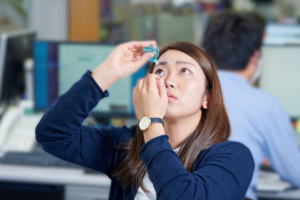
Boise’s climate is semi-arid, which means the air can be quite dry, especially in winter. This can make contacts uncomfortable for some people. Artificial tears or specialty contact lens materials may help, but dryness is a common complaint.
3. Cost Over Time
While a single pair of glasses can last years, contact lenses are a recurring expense. Contact lens solution, replacement schedules, and fitting exams add up.
4. Allergy Season Troubles
In Boise, spring and early summer can bring intense pollen counts. If you have allergies, wearing contacts during peak allergy season may lead to extra irritation and discomfort. Glasses can actually provide a small protective barrier against allergens.
5. Not for Everyone
Some eye conditions, prescriptions, or health factors may make contacts less ideal. For example, if you suffer from severe dry eye or frequent eye infections, glasses may be the safer choice.
Contacts vs. Glasses: What’s Right for You?
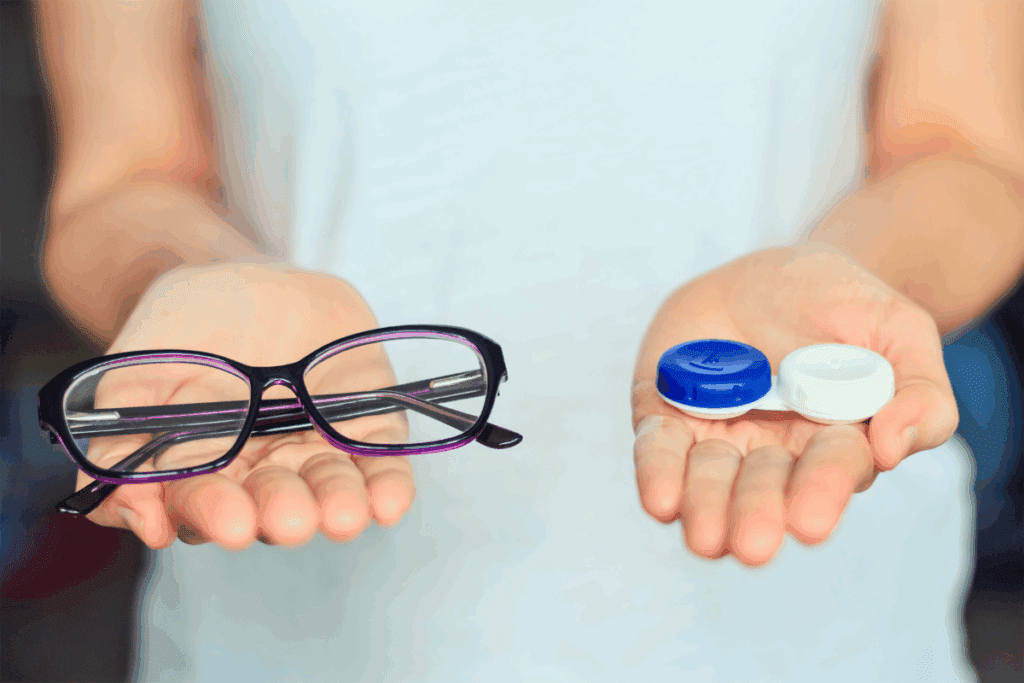
Ultimately, the decision comes down to lifestyle, comfort, and personal preference. Many of my patients find that having both glasses and contacts gives them flexibility. You might love the freedom of contacts for weekends at Lucky Peak or playing sports, but prefer glasses during allergy season or when relaxing at home.
Tips for Contact Lens Wearers
If you do choose contacts, here are some tips to maintain your eye health:
- Combat Dry Air: Use preservative-free artificial tears and consider a humidifier indoors, especially during the winter heating season.
- Manage Allergies: During high pollen days, limit outdoor wear or switch to glasses. Daily disposable contacts can also help reduce buildup.
- Stay on Schedule: Replace lenses as recommended and never sleep in them unless prescribed.
- Have Backup Glasses: Always keep a current pair of glasses on hand. You just never know!
When to See Your Eye Doctor
If you notice persistent discomfort, redness, or blurry vision with contacts, don’t push through it. Your eyes deserve care and comfort. An eye exam can help determine if you need a different lens material, prescription, or routine.
At Emerald Point Eye Care, we help patients find the vision solutions that fit their lives — whether that’s glasses, contacts, or both. We also have a range of contact brands and options, including hard and soft contact lenses and even Ortho-K lenses.
The Bottom Line
Contact lenses offer freedom, comfort, and a natural look, but they require responsibility and may not always be the best fit. If you’re curious about whether contacts are right for you, schedule an appointment with us. We’d love to help you find the perfect balance between clarity and comfort — and make sure your eyes stay healthy along the way.