

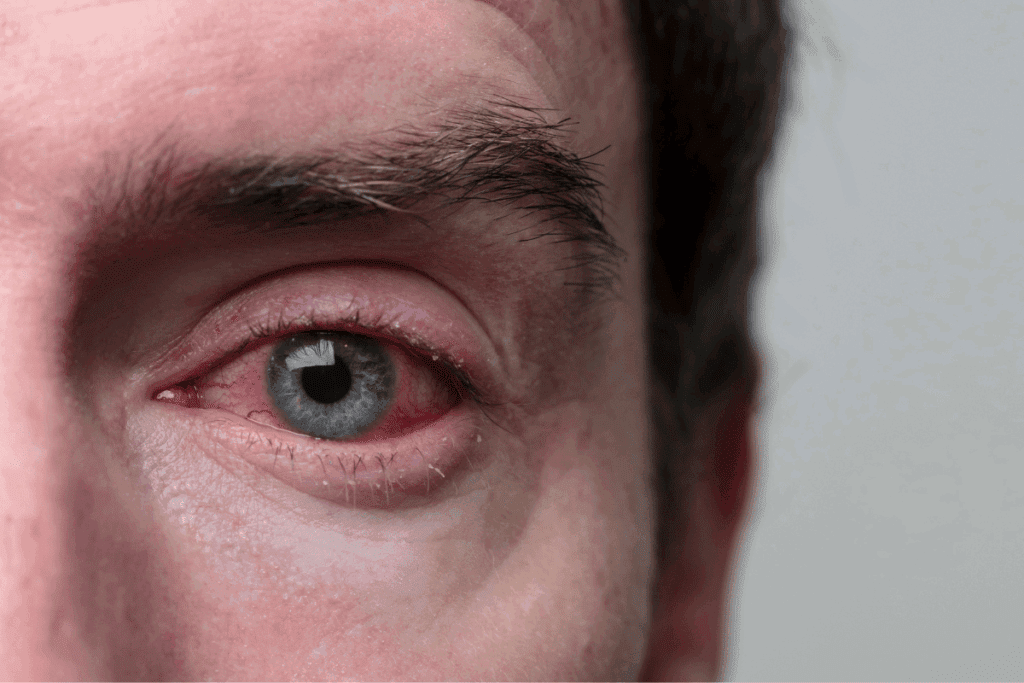
Few eye conditions are as common, or as instantly recognizable, as pink eye, formally known as conjunctivitis. That tell-tale redness, itchiness, and watery discharge can make you feel miserable and look a bit alarming. When symptoms strike, it’s natural to seek ways to find relief. Often, “home remedies” are the first thing that comes to mind.
But, before we dive into measures you can take at home, there is a critical, non-negotiable first step. Always, always seek a professional diagnosis from an eye doctor. While many cases of pink eye are benign, some types can be highly contagious, lead to serious complications if mismanaged, or even mask a more severe underlying eye condition. Relying solely on home remedies without a proper diagnosis can delay appropriate medical treatment, potentially worsening your condition or risking permanent damage to your vision.
That said, some home remedies can ease symptoms. And that’s what you came here for, so let’s dive in!
Types of Pink Eye
Most people don’t realize that there are different types of pink eye. However, “pink eye” is a broad term that describes inflammation of the conjunctiva, the clear membrane that lines the inside of your eyelids and covers the white part of your eyeball. Many factors can cause inflammation, and each may need a different treatment. This is why getting an accurate diagnosis early is important.
- Viral Conjunctivitis: This is the most common type of pink eye, often caused by the same viruses that cause the common cold. It’s highly contagious, often starting in one eye and spreading to the other. Symptoms include redness, watery discharge, itching, and sometimes a sore throat or fever. There’s no specific cure, so treatment focuses on managing symptoms and preventing spread.
- Bacterial Conjunctivitis: This type is less common than viral and caused by bacteria. It’s also very contagious. Symptoms often include redness, a thick, sticky, yellowish-green discharge, and eyelids that might be matted shut in the morning. This type of pink eye often requires antibiotic eye drops prescribed by a doctor.
- Allergic Conjunctivitis: This type of pink eye is caused by allergens like pollen, pet dander, or dust mites. It’s not contagious. Symptoms typically include intense itching in both eyes, redness, and watery discharge. Treatment involves identifying and avoiding allergens, along with antihistamine eye drops.
- Irritant Conjunctivitis: Caused by irritants like smoke, chemicals, or foreign bodies in the eye. Not contagious. Symptoms usually go away once you remove the irritant.
- Other, More Serious Conditions: Sometimes, what appears to be pink eye could be a symptom of a more serious condition like keratitis (corneal inflammation), uveitis (inflammation inside the eye), or even angle-closure glaucoma. These require immediate and specific medical intervention.
Without a professional examination, it’s impossible to tell which type of conjunctivitis you have, leading to potentially ineffective or even harmful self-treatment. That’s why getting a diagnosis from a medical professional is so helpful.
Managing Pink Eye at Home
While I recommend you visit a healthcare professional first, I know that pink eye can be absolutely miserable. There are some ways you can manage symptoms at home. However, these are supportive measures, not cures! They should always complement and not replace any prescribed medical treatment.
1. Cold Compresses
- How it helps: Provides soothing relief for itchy, swollen eyes, particularly those affected by allergies. The coolness constricts blood vessels, helping to reduce inflammation and redness.
- How to use: Use a clean, soft cloth soaked in cool water. Wring it out and place it over your closed eyes. You can also place a clean cloth in the refrigerator for a few minutes for extra coolness.
2. Artificial Tears (Lubricating Eye Drops)
- How it helps: These over-the-counter drops can help soothe irritated eyes by lubricating the surface, rinsing away irritants, and reducing dryness. They provide a protective layer and can alleviate the gritty or burning sensation.
- How to use: Follow the instructions on the package. Opt for preservative-free brands if you use them frequently (more than 4-6 times a day) to avoid potential irritation from preservatives.
3. Avoid Irritants & Allergens
- How it helps: Reducing exposure to triggers can significantly alleviate symptoms, especially for allergic or irritant conjunctivitis.
- What to do: If allergies are the cause, stay indoors when pollen counts are high, use air purifiers, keep windows closed, and avoid known allergens like pet dander. For irritant conjunctivitis, identify and eliminate the source of irritation (e.g., smoke, harsh chemicals, dusty environments).
4. Good Hygiene
For contagious forms of pink eye, strict hygiene at home is your most powerful “remedy” to prevent spreading the infection to other people or to your other eye.
- Wash Hands Frequently & Thoroughly: Use soap and water for at least 20 seconds, especially after touching your eyes or applying drops.
- Avoid Touching Your Eyes: Rubbing can worsen irritation and spread germs.
- Don’t Share Personal Items: This includes towels, washcloths, pillowcases, eye drops, makeup, and eyeglasses.
- Change Pillowcases Daily: Use a fresh pillowcase each night, especially during an active infection.
- Wash Bedding & Towels in Hot Water: This helps kill germs.
- Discard Eye Makeup: If you have pink eye, throw away all eye makeup (mascara, eyeliner, eyeshadow) you used during the infection to prevent re-infection. Replace contact lens solutions and cases.
- Clean Glasses: Regularly clean your eyeglasses with soap and water.
What to AVOID When You Have Pink Eye
Just as important as knowing what to do is knowing what not to do. Some “remedies” or practices commonly found online can be harmful:
- Do NOT Rub Your Eyes Excessively: This can worsen inflammation and potentially spread infection.
- Do NOT Use Expired or Someone Else’s Eye Drops: This can introduce new bacteria or cause adverse reactions.
- Do NOT Use Breast Milk, Apple Cider Vinegar, Essential Oils, or Colloidal Silver Directly in Your Eyes: These are NOT proven medical treatments for pink eye and can cause severe irritation, chemical burns, or serious eye infections.
- Do NOT Wear Contact Lenses: Stop wearing contact lenses immediately if you suspect pink eye. Switch to glasses until your eyes are completely healed and your doctor gives the go-ahead. Discard infected lenses and cases.
When to Seek Professional Help (Always!)
While home remedies can provide comfort, they are never a substitute for a professional eye exam. If you think you have pink eye, or experience any of the following, schedule an appointment right away:
- Redness, irritation, or discharge in one or both eyes
- Pain in the eye
- Sensitivity to light (photophobia)
- Blurred vision that doesn’t clear with blinking
- Swelling around the eyes
- Symptoms that worsen or don’t improve after a few days
- You wear contact lenses and develop pink eye symptoms
- You have a weakened immune system or an underlying health condition
At Emerald Point Eye Care, we’re here to accurately diagnose your condition, provide the necessary medical treatment, and offer guidance on how to manage your symptoms safely at home. Don’t take chances with your vision. Let our expert team ensure your eyes get the professional care they deserve.