
My wife is a true testament to the challenges of light sensitivity. Even on the cloudiest days here in Boise, you won’t catch her outdoors without a pair of sunglasses on. And in her defense, she truly has the lightest (most beautiful) blue eyes I’ve ever seen. But the truth is, many people, even those with darker eyes, struggle with light sensitivity, called photophobia.
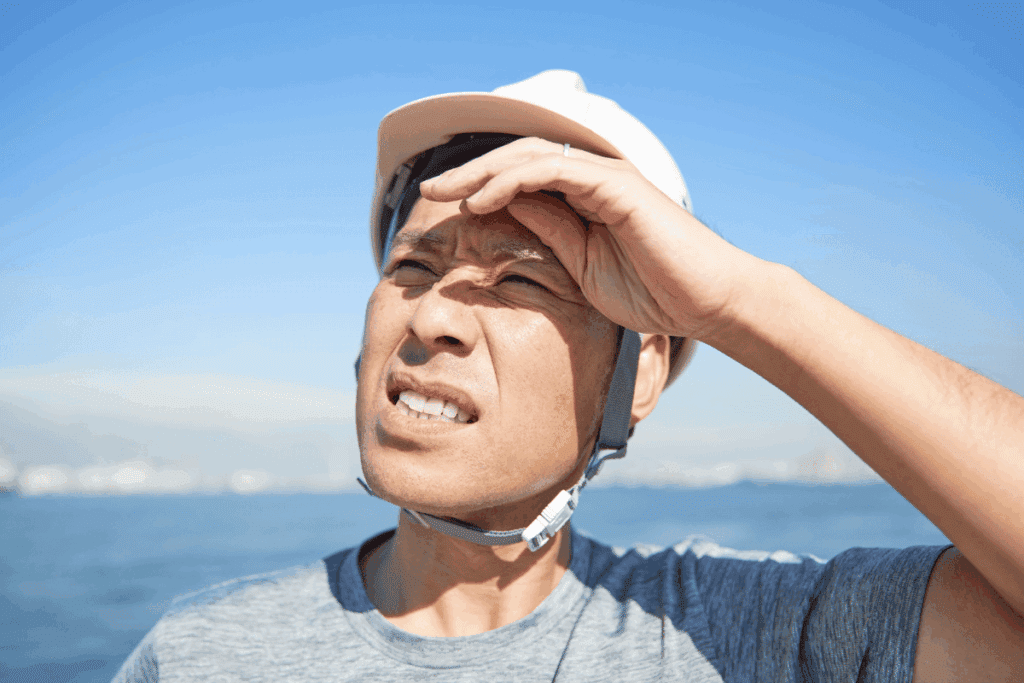
That sudden wince when stepping out into bright sunshine. The persistent squinting indoors under fluorescent lights. Or the throbbing headache triggered by screen glare. Photophobia can make simple activities uncomfortable or even painful. It can limit your time outdoors, make reading or working on a computer a struggle, and contribute to fatigue and stress.
But there are ways to minimize symptoms. Read on to gain practical tips and lifestyle adjustments to help you manage light sensitivity.
Understanding Light Sensitivity
Photophobia isn’t simply a dislike of bright lights (or photos, for that matter). It’s an abnormal intolerance to light. Individuals with light sensitivity may experience a range of symptoms when exposed to light, including:
- Squinting and excessive blinking
- Eye pain or discomfort
- Headaches or migraines
- Nausea
- Dizziness
- Watering eyes
- Blurred vision
The severity of these symptoms can range from mild annoyance to intense pain that forces people to seek dimly lit places.
Why Are My Eyes So Sensitive to Light?
Light sensitivity is not a condition in itself but rather a symptom of an underlying issue. Pinpointing the root cause is essential for effective management. Here are some of the common culprits:
Eye Conditions
- Dry Eye Syndrome: Insufficient lubrication on the eye’s surface can make the eyes more vulnerable to irritation from light. Boise’s dry climate can exacerbate this.
- Conjunctivitis (Pink Eye): Inflammation of the conjunctiva can increase light sensitivity.
- Uveitis & Iritis: Inflammation of the middle layer of the eye (uvea) can cause significant pain and photophobia.
- Corneal Abrasion or Ulcer: Damage to the cornea, the clear front surface of the eye, makes it highly sensitive.
- Cataracts: While typically causing blurry or cloudy vision, cataracts can also increase glare sensitivity.
- Glaucoma: Elevated eye pressure can sometimes lead to light sensitivity.
- Migraines & Headaches: Photophobia is a common symptom during migraine attacks and other types of headaches.
- Retinal Conditions: Certain conditions affecting the retina, such as retinitis pigmentosa or macular degeneration, can cause increased light sensitivity.
Medical Conditions
- Meningitis: Inflammation of the membranes surrounding the brain and spinal cord can cause severe photophobia.
- Encephalitis: Inflammation of the brain itself can also lead to light sensitivity.
- Sjögren’s Syndrome: This autoimmune disorder often causes severe dry eyes and dry mouth, contributing to photophobia.
- Fibromyalgia & Chronic Fatigue Syndrome: Light sensitivity is a frequently reported symptom in these conditions.
- Certain Medications: Some medications, including certain antibiotics, diuretics, and birth control pills, can list photophobia as a side effect.
Lifestyle & Environmental Factors
- Eye Strain: Prolonged screen time or intense visual tasks can temporarily increase light sensitivity.
- Bright or Fluorescent Lighting: Harsh artificial lights can be particularly bothersome.
- Sun Exposure: While natural light is essential, sudden or prolonged exposure to bright sunlight can trigger sensitivity.
- Contact Lens Issues: Improperly fitting or dirty contact lenses can irritate the eyes and increase light sensitivity.
Practical Tips for Combatting Light Sensitivity
While addressing the underlying cause is crucial, several strategies can help you manage light sensitivity in your daily life:
Protective Eyewear
- Invest in high-quality sunglasses: Your sunglasses should block 100% of UVA and UVB rays. Consider polarized lenses to reduce glare, especially when driving or near reflective surfaces like water or snow. Wraparound styles offer the best protection by blocking light from all angles.
- Use tinted lenses for everyday glasses: When indoors or dim environments, consider glasses with lightly tinted lenses (e.g., rose, amber, or grey). These can help filter out harsh wavelengths of light that may be triggering your sensitivity.
- Ask about the FL-41 tint: FL-41 tinted lenses filter out certain wavelengths of blue-green light. These wavelengths can trigger migraines and light sensitivity.
- Add the anti-reflective coating: If you wear glasses, make sure they have a good anti-reflective (AR) coating. This reduces glare from artificial lights and screens, improving visual comfort.
Environmental Adjustments
- Control indoor lighting: Use dimmer switches to adjust the intensity of overhead lights. Opt for lamps with softer, indirect light sources. Consider switching to warmer-toned light bulbs because cooler, brighter lights can be more triggering.
- Minimize screen glare: Use screen protectors with anti-glare coatings on your computer, phone, and tablet. Adjust screen brightness and contrast to comfortable levels. Utilize “dark mode” or night mode settings, especially in the evenings.
- Use window treatments: Use curtains, blinds, or shades to control the amount of natural light entering your home or workspace. Layering window treatments allows for flexible light control throughout the day.
- Wear a hat or visor outdoors: When outdoors, wear a wide-brimmed hat or a visor to shield your eyes from direct sunlight.
Lifestyle Modifications
- Identify and avoid triggers: Pay attention to situations or environments that increase your light sensitivity. Try to minimize your exposure to them.
- Take breaks from screens: Follow the 20-20-20 rule: every 20 minutes, look at something 20 feet away for 20 seconds. This can help reduce eye strain-related light sensitivity.
- Stay hydrated: Hydration is crucial for overall eye health. It can help alleviate dry eye symptoms that contribute to photophobia.
- Manage any underlying conditions: If your light sensitivity is related to a medical condition like migraines or dry eye, work closely with your healthcare providers to manage these conditions effectively.
Don’t Ignore Persistent Light Sensitivity
While these strategies can offer relief, severe light sensitivity warrants a thorough evaluation by an eye care professional. Schedule an appointment with us if you experience any of the following:
- Sudden onset of light sensitivity
- Increased severity of existing light sensitivity
- Light sensitivity accompanied by eye pain, redness, blurred vision, headaches, or other concerning symptoms
- Light sensitivity that interferes with your daily activities
Your eye doctor will conduct a comprehensive eye exam to identify any underlying eye problems or rule them out. We can also discuss your medical history and lifestyle to determine potential contributing factors. Depending on your light sensitivity, we can recommend other treatment options, like prescription eye drops, medications, or referrals to specialists.
Overcoming light sensitivity often involves a combination of professional guidance and proactive self-care. By implementing effective management strategies, you can find relief from the glare and enjoy a brighter, more comfortable life.