

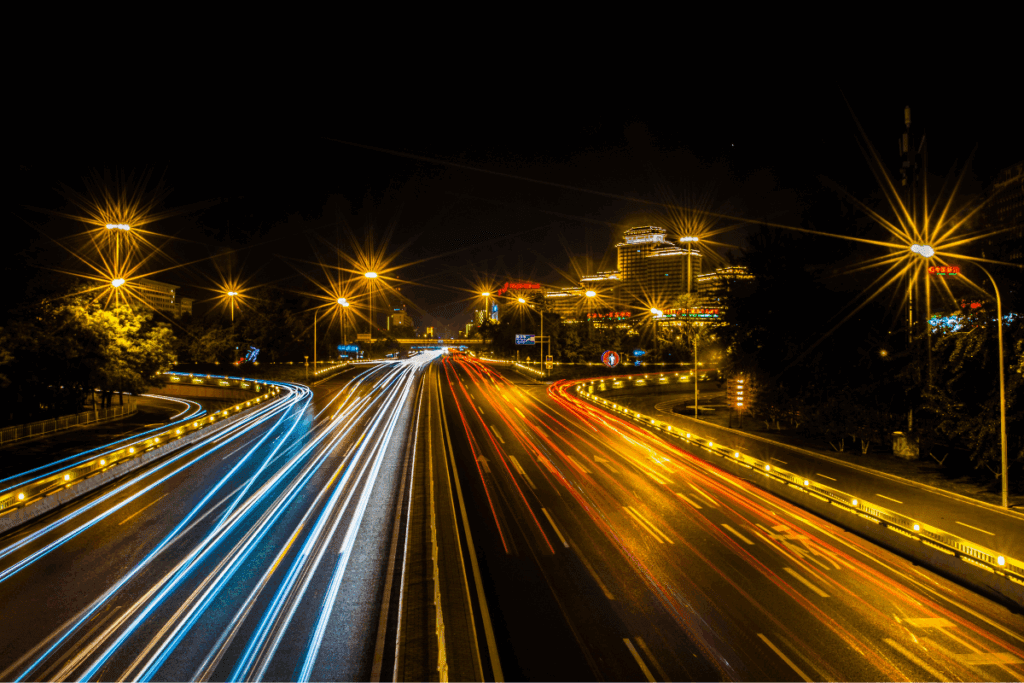
If you’ve ever felt uneasy driving after dark or found it hard to adjust your eyes when moving from a bright room into a dim one, you may be experiencing night blindness (nyctalopia).
Night blindness isn’t a condition by itself. It’s usually a symptom of another eye condition. While almost everyone sees less clearly at night compared to daylight, people with night blindness have a much harder time navigating in the dark.
In Idaho, where winter days are short, people with night vision problems often notice their symptoms more. A 5:00 pm commute in December can feel a lot different than one in June.
Luckily, there are things you can do to improve your night vision.
What Is Night Blindness?
Night blindness describes difficulty seeing in low-light conditions. People with night blindness may:
- Struggle to drive safely at night, especially with glare from headlights
- Have trouble recognizing faces or objects in dimly lit rooms
- Take longer to adjust when moving from bright sunlight into shade or darkness
It’s important to note that night blindness doesn’t mean total blindness. It just means your eyes can’t adapt to darkness as well as they should.
What Causes Night Blindness?
Several underlying eye issues can lead to poor night vision. Some of the most common include:
- Nearsightedness (Myopia): Blurry distance vision (nearsightedness) or astigmatism can worsen in dim lighting, when the eye already struggles to focus. Headlights and streetlamps may look smeared or doubled.
- Cataracts: Cataracts are one of the leading causes of poor night vision, especially in older adults. As the clear lens inside the eye becomes cloudy, it scatters incoming light instead of focusing it sharply on the retina. This often leads to glare, halos around lights, and difficulty seeing in dim conditions.
- Vitamin A Deficiency: Though rare in the U.S., a lack of vitamin A prevents the retina from processing light properly. It can cause difficulty adapting to the dark and, if untreated, may lead to serious vision loss.
- Certain Medications: Some drugs, such as glaucoma treatments, retinoids, or phenothiazines, can reduce pupil size or affect the retina’s ability to adapt to darkness, making nighttime vision more difficult.
- Retinitis Pigmentosa: A genetic condition that gradually damages the retina’s light-sensitive cells. It typically begins with poor night vision in adolescence or early adulthood and later affects peripheral vision.
- Age-Related Changes: As we age, the pupil becomes less able to dilate in dark environments, a change known as senile miosis. With a smaller maximum pupil size, less light enters the eye, reducing clarity in low light.
Symptoms You Shouldn’t Ignore
If you have night blindness, you might notice:
- Needing more light to do everyday tasks
- Discomfort or danger while driving at night
- Poor depth perception in dark environments
- Difficulty navigating unfamiliar places after dusk
If you notice these symptoms, especially while driving, don’t ignore them. Straining through poor night vision can put you and others at risk.
Treatment Options for Night Blindness
Because night blindness is a symptom rather than a disease, treatment depends on its root cause. Possible solutions include:
- Updating your glasses or contacts prescription. Sometimes sharper correction is all it takes to improve nighttime vision.
- Anti-reflective lenses. These coatings reduce glare from headlights and streetlights.
- Cataract surgery. If cataracts are the cause, surgery can dramatically improve night vision.
- Vitamin supplementation. Rarely, restoring Vitamin A levels can help restore proper vision.
- Managing glaucoma. Adjusting treatment may improve pupil function and low-light sight.
Tips for Safer Nighttime Vision
Even with treatment, you can make small changes that help:
- Keep car headlights, mirrors, and windshields clean to reduce glare
- Add bright lighting in and around your home for easier nighttime movement
- Take regular breaks when driving at night to reduce eye strain
- Avoid driving after dark if your vision feels unsafe until you’ve had an exam
Don’t Just Tough It Out
If you’ve been putting off dealing with poor night vision, know that help is available. A comprehensive eye exam can reveal what’s behind your symptoms and open the door to solutions.
Don’t let dark winter nights keep you from feeling safe and confident. With the right care, clearer night vision is possible. And we’d love to help you get there. At Emerald Point Eye Care, we’ll take the time to uncover the cause of your night blindness and recommend the right treatment so you can feel more confident.