

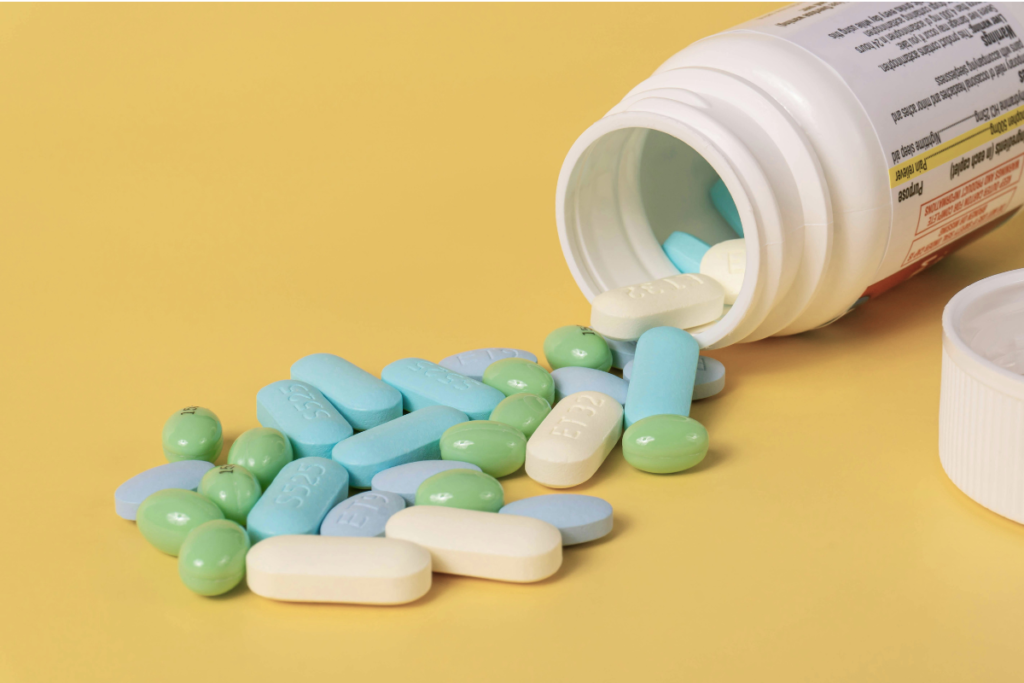
When you start a new medication, you probably expect to hear about side effects like nausea, drowsiness, or headaches. What you may not expect is for that medication to affect your eyes.
But there are many medications that affect your eyes, too. And the symptoms they cause can vary quite a bit.
Some medications can make your eyes feel dry or irritated. Others can cause blurry vision, make it harder to focus, or change how your eyes respond to light. In rarer cases, certain medications can increase your risk for more serious eye problems.
That doesn’t mean you should stop taking a medication because it might affect your vision. But knowing what to watch for can help you recognize when a change may be connected to a medication and when it’s worth bringing up with your eye doctor.
Here are a few of the most common medication-related eye changes we see.
Antihistamines
Can Cause Dry Eyes
Antihistamines are common medications that cause dry eyes, especially for people who already struggle with dryness.
Antihistamines such as diphenhydramine (Benadryl), loratadine (Claritin), and cetirizine (Zyrtec) work by blocking histamine, which helps reduce symptoms like sneezing and a runny nose.
Unfortunately, they can also reduce tear production. Your eyes may feel gritty, burning, irritated, or simply more tired than usual.
It can be especially frustrating because allergies themselves can make your eyes itchy and irritated. You may take an antihistamine to help your allergies, only to notice a different type of eye discomfort afterward.
Antidepressants
Can Affect Your Tears & Pupils
Certain antidepressants can also contribute to dry eye.
Selective serotonin reuptake inhibitors (SSRIs), including sertraline (Zoloft), fluoxetine (Prozac), and escitalopram (Lexapro), may affect tear production and the stability of the tear film.
Other types of antidepressants can have anticholinergic effects, which can reduce tear production and sometimes cause blurry vision or difficulty focusing up close.
Some antidepressants may also cause the pupils to dilate slightly. For most people, this isn’t dangerous. However, in rare cases, pupil dilation can trigger an acute increase in eye pressure in someone with anatomically narrow drainage angles. This can lead to sudden severe eye pain, headache, halos around lights, nausea, or a sudden decrease in vision.
If you notice a sudden or significant change in your vision, contact your eye doctor right away.
Blood Pressure Medications
Can Contribute to Dryness or Blurry Vision
Blood pressure medications can affect the eyes in a few different ways.
Beta blockers, for example, may reduce tear production and contribute to dry eye symptoms in some people.
Diuretics, often called water pills, help the body get rid of excess fluid. Because they affect fluid balance throughout the body, they may also contribute to dryness.
Some blood pressure medications are also among the medications that cause blurry vision. This is most common when you first begin taking them or when your dosage changes.
Your blood pressure itself is also important to your eye health. So don’t stop taking blood pressure medication because of an eye-related side effect without talking to the healthcare provider who prescribed it.
RELATED CONTENT: Why Glaucoma Doesn’t Have Symptoms & How We Find It
Steroids
Can Increase Eye Pressure
Steroids are incredibly useful medications, but they are also an important one for your eye doctor to know about.
Corticosteroids can be taken by mouth, inhaled, injected, applied to the skin, or used directly as eye drops. With prolonged or significant exposure, steroids can increase the pressure inside the eye in some people. Over time, elevated eye pressure can damage the optic nerve and increase the risk of glaucoma.
Steroid use can also increase the risk of developing cataracts, particularly a type called a posterior subcapsular cataract.
Not everyone who uses steroids will develop these problems. The risk depends on factors such as the medication, dose, duration of treatment, and your individual susceptibility. If you use steroids regularly or long term, make sure your eye doctor knows.
RELATED CONTENT: How Cataracts Affect Your Vision
Acne Medications
Can Make Your Eyes Feel Dry
Isotretinoin, commonly known by the former brand name Accutane, is well known for causing dryness throughout the body. And the eyes are no exception.
Isotretinoin can affect the meibomian glands, which produce the oily layer of your tears. Without enough of that oil, tears evaporate more quickly.
As a result, people taking isotretinoin may experience dry, irritated eyes and find that contact lenses become less comfortable. Some people may also notice increased light sensitivity or changes in night vision while taking the medication.
Decongestants
Can Affect Your Pupils & Eye Pressure
Decongestants, such as pseudoephedrine, are designed to reduce swelling in the nasal passages. But their effects aren’t limited to your nose. These medications can sometimes cause pupil dilation and may increase eye pressure in susceptible individuals.
For most people, occasional use isn’t a major concern. However, people with narrow angles or certain types of glaucoma may need to be more cautious.
If you’ve been diagnosed with glaucoma, ask your eye doctor or prescribing provider before starting a new over-the-counter cold or allergy medication.
Anticholinergic Medications
Can Sometimes Make It Harder to Focus
Have you ever started a medication and suddenly felt like your glasses weren’t working quite right? Certain medications can temporarily affect the eye’s ability to focus. This is particularly noticeable when you’re reading, using your phone, or doing other close-up work.
Medications with anticholinergic effects are common culprits. These include some medications used for allergies, depression, bladder conditions, motion sickness, and other conditions.
These focusing changes don’t necessarily mean your prescription has permanently changed. If blurry vision begins shortly after starting a medication or changing the dose, let your eye doctor know.
What Should You Do If a Medication Is Affecting Your Eyes?
First, don’t stop taking a prescription medication on your own. Eye-related medication side effects can vary significantly from one medication and one person to another. If you notice a new eye symptom after starting a medication, talk with your eye doctor and the healthcare provider who prescribed it.
Sometimes the solution may be as simple as treating medication-related dry eye. In other situations, your doctor may want to monitor your eye pressure, examine the retina or optic nerve, or determine whether another medication would be a better fit.
It also helps to bring an up-to-date medication list to your eye exam. That includes prescription medications, over-the-counter medications, supplements, and eye drops.
Knowing what you’re taking can provide an important clue when we’re trying to figure out why your eyes suddenly feel or see differently.
There are many drugs that affect vision, so something that seems like a random change in your eyesight may actually make more sense once we look at your medications and overall health together.
When Eye Symptoms Need Immediate Attention
Many medication-related eye side effects are mild and manageable. But sudden or severe changes shouldn’t be ignored.
Seek prompt medical care if you develop:
- Sudden vision loss
- Severe eye pain
- Significant redness
- New flashes or floaters
- Halos around lights with nausea or headache
- A sudden major change in your vision
And if something simply feels different after starting a new medication, it’s worth mentioning.
At Emerald Point Eye Care, we look at more than just your glasses or contact lens prescription. Your medications and overall health can give us important clues about what’s happening with your eyes.