

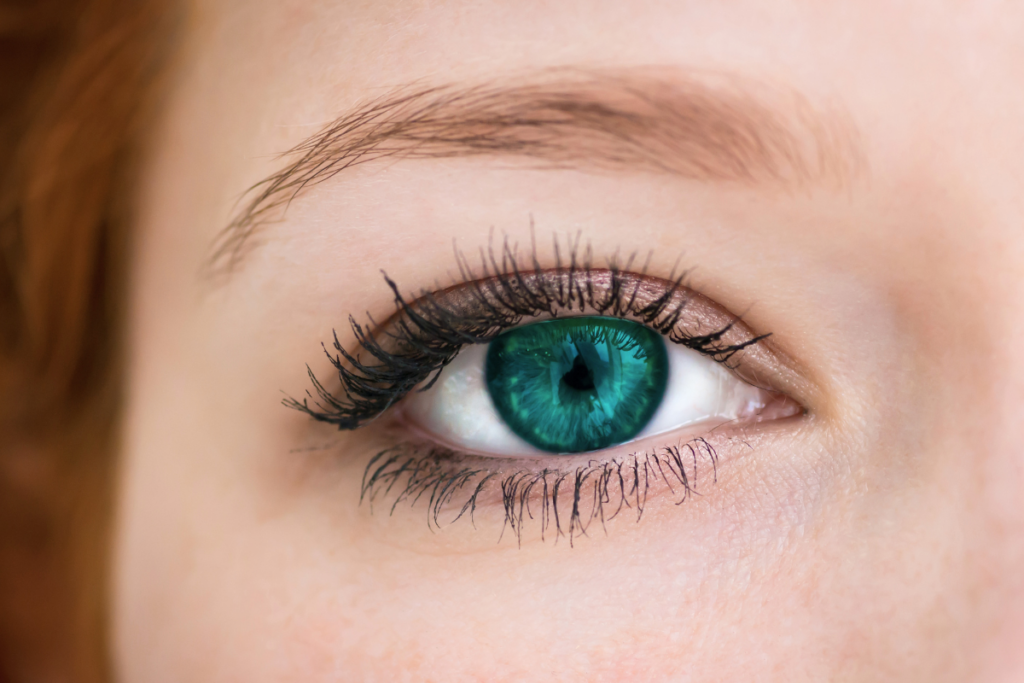
Eye color has always seemed like one of those things that’s permanent. You can wear colored contact lenses for a different look, but your natural eye color is your natural eye color.
Or is it?
Today, there are several procedures designed to permanently change eye color. Some use lasers. Others inject pigment into the front of the eye. While the results can be dramatic, the procedures have raised significant concerns within the eye care community.
As an optometrist, I think it’s worth looking beyond the dramatic before-and-after photos to talk about how these procedures actually work—and why many eye doctors remain cautious.
How Is Eye Color Permanently Changed?
If you are still stuck on the question Can you change your eye color permanently? the answer is yes. There are currently several methods of cosmetic eye surgery that can change eye color.
Here’s a look at the three primary approaches to permanently changing eye color.
1. Laser Iris Depigmentation
Some clinics use lasers to remove melanin from brown irises. (The iris is where your eye pigment lives.) As pigment is broken apart, the eye gradually appears lighter—often blue or green.
While the concept of laser eye color change sounds simple, the pigment doesn’t just disappear. Those tiny pigment particles have to go somewhere.
One concern among eye specialists is whether released pigment could clog the eye’s natural drainage system over time.
Why does that matter?
Your eye is constantly producing fluid that must drain away to maintain healthy pressure. If that drainage system becomes clogged, pressure inside the eye can increase. Over time, elevated eye pressure can damage the optic nerve, leading to glaucoma.
Glaucoma is one of the leading causes of irreversible blindness worldwide because the vision loss it causes cannot be restored. While treatment can often slow or stop further damage, it generally can’t bring back vision that’s already been lost.
At this point, there simply isn’t enough long-term research to know how often this might occur in iris depigmentation.
2. Corneal Keratopigmentation (Corneal Tattooing)
Rather than changing your iris, surgeons create a tunnel within the cornea and inject colored pigment into it. You can think of keratopigmentation as a permanent colored contact lens embedded within the clear front surface of the eye. In some ways, it’s similar to tattooing, where pigment is placed beneath the surface rather than on top of it.
The procedure can dramatically change the appearance of your eyes without actually changing the iris itself.
However, unlike a small scratch on the surface of the eye, these procedures permanently alter the structure of the cornea. While the eye heals after surgery, the cornea does not return to its original state, which is why the procedure is considered permanent and can be difficult to reverse.
If healing isn’t ideal or inflammation occurs, scar tissue can form resulting in:
- Blurry vision
- Glare
- Halos around lights
- Reduced contrast, especially at night
- Permanent loss of visual quality if the scar is in the visual axis
3. Artificial Iris Implants
An iris implant surgery involves placing a colored silicone implant inside the eye. Originally developed for people born without a normal iris or those with traumatic eye injuries, some surgeons began using these implants purely for cosmetic purposes.
Unfortunately, cosmetic iris implants have been associated with serious complications, including glaucoma, corneal damage, cataracts, chronic inflammation, and permanent vision loss.
Because of these risks, the American Academy of Ophthalmology strongly discourages cosmetic iris implants.
When Are Artificial Iris Implants Appropriate?
Notice the word cosmetic in the AAO’s warning. Artificial iris implants can certainly be performed on a specific group of patients — those for whom this technology was designed: people with an abnormal iris.
In these cases, the benefits of inserting an artificial iris outweigh the risks of eye damage. For these patients, the patient’s natural iris is severely damaged or absent. So an artificial iris may actually improve functionality or significantly improve the the patient’s quality of life.
Why Many Eye Doctors Remain Cautious
Unlike cosmetic procedures on your skin, procedures inside or on the eye carry much higher stakes.
Your cornea is responsible for much of your eye’s focusing power. Your iris helps regulate how much light enters your eye. Even small changes can have lasting effects on vision.
According to the American Academy of Ophthalmology, potential complications of cosmetic eye color procedures include:
- Infection
- Corneal scarring
- Chronic inflammation
- Light sensitivity
- Glare and halos
- Elevated eye pressure
- Glaucoma
- Vision loss
- Need for additional surgeries
Not everyone experiences complications, but because these procedures are relatively new, we don’t yet have decades of data showing how patients do over the long term.
That’s one of the biggest reasons I — and many other eye care professionals — remain cautious.
Why Are Eye Color Changing Procedures Performed?
Human nature is fascinating. We tend to want to change parts of our appearance. We color our hair, straighten our teeth, and get tattoos. Wanting a different eye color isn’t all that surprising.
The surgeons performing these procedures recognize that desire. Many believe their techniques are safe. And they are committed to helping patients achieve the look they want while minimizing risk.
The challenge isn’t necessarily the intentions of the surgeons. It’s the evidence.
Unlike procedures such as LASIK, permanent cosmetic eye color procedures don’t yet have decades of long-term safety data. In the United States, cosmetic eye color surgery also has not been approved by the FDA, potentially leading patients to travel overseas for treatment.
That doesn’t mean every patient will experience complications. But we need stronger long-term evidence before recommending these elective procedures.
“But LASIK Is Elective Too…”
That’s a fair statement. LASIK is, in fact, an elective laser eye procedure, too.
The difference is that LASIK has been studied extensively for decades. Millions of procedures have been performed, giving doctors a much clearer understanding of both its benefits and risks.
Permanent eye color surgery simply doesn’t have that same body of long-term evidence yet.
When we’re talking about a cosmetic procedure on a healthy eye, most eye doctors believe the potential risks should be very low. And right now, we don’t know enough to confidently say that.
What About Colored Contact Lenses?
If you’ve always wanted your eyes to be different colors, colored contact lenses remain the safest option for most people.
Even cosmetic contacts should be properly fitted by an eye doctor. Poorly fitting or illegally sold decorative contacts can scratch the cornea, increase the risk of infection, and even threaten vision.
The good news is that when prescribed and cared for properly, colored contact lenses offer a reversible way to change your appearance without permanently altering your eye.
RELATED CONTENT: Are Colored Contacts Safe? What to Know Before You Buy
Should You Permanently Change Your Eye Color?
For now, my recommendation is simple: No.
Based on the evidence we have today, I would not recommend permanently changing healthy eyes for cosmetic purposes. The eye color surgery risks are too high.
Could these procedures become safer in the future? Possibly.
Medicine continues to evolve, and ongoing research may eventually answer many of today’s unanswered questions.
But today, there simply isn’t enough long-term evidence to know the lifetime risks of procedures designed solely to change eye color.
When it comes to your vision, it’s usually better to be patient than to be first. Your eye health is worth it.