

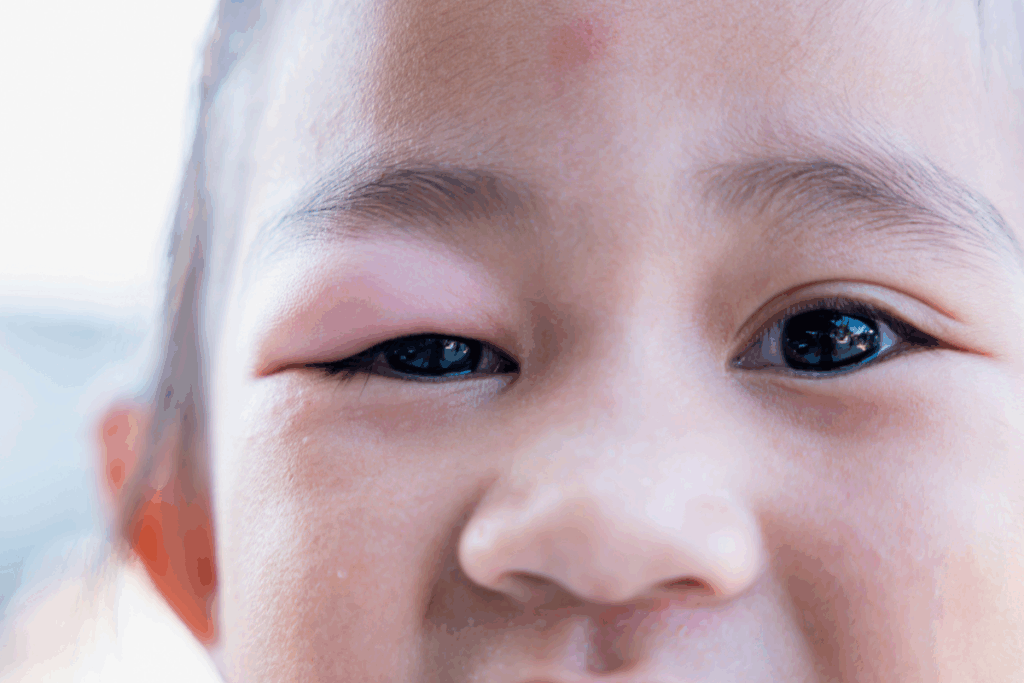
Few things spread faster than pink eye, especially when kids are back in school or daycare. One day, your child wakes up with red, crusty eyes, and by the end of the week, the whole family seems to be rubbing theirs too.
But while pink eye looks similar from the outside, it can show up differently in children versus adults. Understanding what’s behind the redness can help you get it cleared up more quickly and prevent it from spreading through the whole house.
What Is Pink Eye?
Pink eye, or conjunctivitis, happens when the thin, clear tissue that lines the eyelids and covers the white of the eye becomes inflamed. It can be triggered by viruses, bacteria, allergies, or irritants. However, how it appears (and how contagious it is) often depends on your age.
Pink Eye in Kids
Children are much more likely to get pink eye than adults, and it’s often bacterial or viral in nature.
Why Kids Get It More Often
Kids touch everything — toys, desks, faces — and they’re still learning good hygiene habits. Add in close contact at school or daycare, and you’ve got the perfect setup for germs to spread.
Common Symptoms in Children
- Redness in one or both eyes
- Thick, yellow-green discharge that crusts the lashes
- Swollen or sticky eyelids (especially in the morning)
- Complaints of burning, gritty, or itchy eyes
- Tearing or watery eyes
Bacterial pink eye is particularly common in children and may start in one eye but spread quickly to the other. The good news? It usually responds well to prescription eye drops or ointment, and most kids feel better within a few days.
Contagion & School Rules
Because pink eye spreads so easily, most schools and daycares require kids with bacterial or viral conjunctivitis to stay home for at least 24 hours after starting treatment. Allergic conjunctivitis, on the other hand, isn’t contagious. Those kids can usually return right away once they control their symptoms.
Pink Eye in Adults
Adults can absolutely get pink eye too, but the causes tend to be a bit different.
Common Causes
- Viral infections: Especially during cold or flu season.
- Allergies: Boise’s spring and summer pollen can cause itchy, watery, and red eyes.
- Contact lens use: Overwearing or poor hygiene can lead to irritation or infection.
- Irritants: Smoke, dust, or workplace exposures can inflame the eyes.
Typical Symptoms in Adults
- Red or bloodshot eyes
- Watery or mucous discharge (less crusty than bacterial pink eye)
- Itching or burning
- Light sensitivity
- Mild eyelid swelling
Viral conjunctivitis is the most common type in adults and can linger for a week or two. Because it’s viral, antibiotics don’t help. So, treatment focuses on symptom relief and preventing spread.
When to See Your Eye Doctor
Most mild cases of pink eye clear up on their own, but schedule an appointment if you notice:
- Moderate to severe eye pain
- Blurry vision or sensitivity to light
- Swelling around the eye
- Thick discharge that keeps coming back after cleaning
- Symptoms lasting more than a few days
If you wear contact lenses, don’t try to “wait it out.” Contact-related infections can involve the cornea and may require specialized treatment.
At Emerald Point Eye Care, we’ll determine what type of conjunctivitis you have and prescribe the right treatment to help you feel better — fast.
RELATED CONTENT: Home Remedies for Pink Eye
Tips to Prevent Pink Eye Spread
Whether you’re caring for a child or managing your own symptoms, prevention is key:
- Wash your hands often, especially before and after touching your face or eyes.
- Avoid sharing towels, pillowcases, makeup, or eye drops.
- Clean or replace contact lenses and their cases as directed.
- Change pillowcases daily during an active infection.
- Keep kids home until symptoms improve and they’ve been cleared by a doctor if contagious.
These simple steps make a big difference in stopping the cycle of infection, both at home and in classrooms.
Final Thoughts
While pink eye can be frustrating (and contagious!), most cases are mild and clear up with the right care and hygiene. Children are more likely to get bacterial or viral forms that spread quickly, while adults often deal with allergic or contact-related irritation.
If you or your child develops red, itchy, or watery eyes that don’t improve within a couple of days, it’s worth checking in. Your eyes deserve the same attention as the rest of your health. A quick visit can help you get back to clear, comfortable vision again. If you have any concerns about red or irritated eyes, our team is here to help.